Kairyuoji Temple, Nara: Praying for Safe Travels at the Home of Heart Sutra Copying (Japan's Smallest National Treasure Pagoda, Admission, Walking Route)
📢 Affiliate Disclosure: This article may contain affiliate links. If you make a purchase or booking through these links, we may earn a small commission to help support the blog. Thank you for your understanding. → Privacy Policy
🏨 Looking for a place to stay in Nara? → See where to stay
Did you enjoy No. 006 — Futaiji Temple? I hope you liked the stillness waiting beyond its green tunnel, where time seems to have stopped.
This time, we visit the second of three ancient temples to the north of Kintetsu Shin-Omiya Station: Kairyuoji Temple, about a 20-minute walk west of Futaiji.
What a bold name — yet it may be a temple many visitors have never heard of. For nearly 1,300 years, this temple has received the prayers of people crossing the sea. It is known as a temple for safe travels and study abroad, and as the place where the copying of the Heart Sutra began in Japan. If you are about to travel, thinking of studying abroad, or drawn to sutra copying, this is a temple I would love you to know.
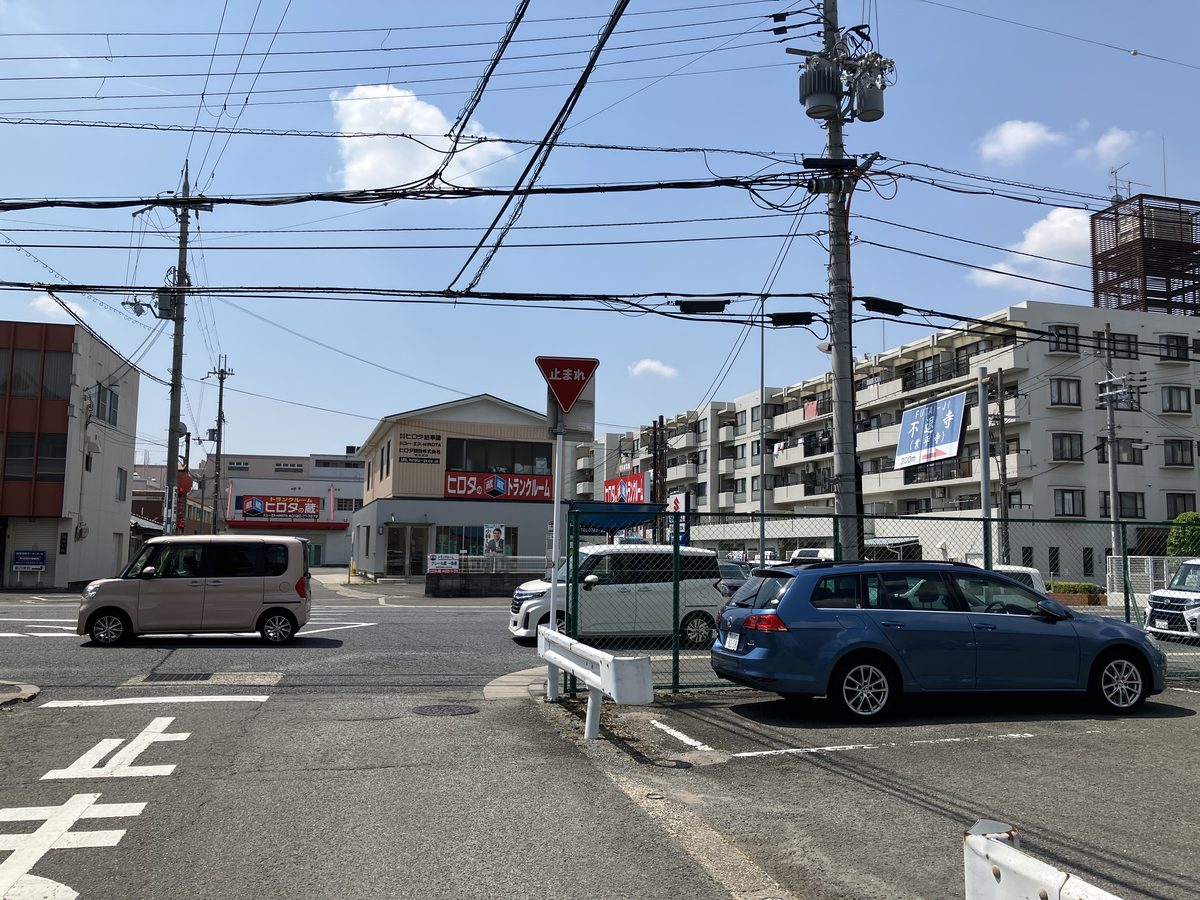
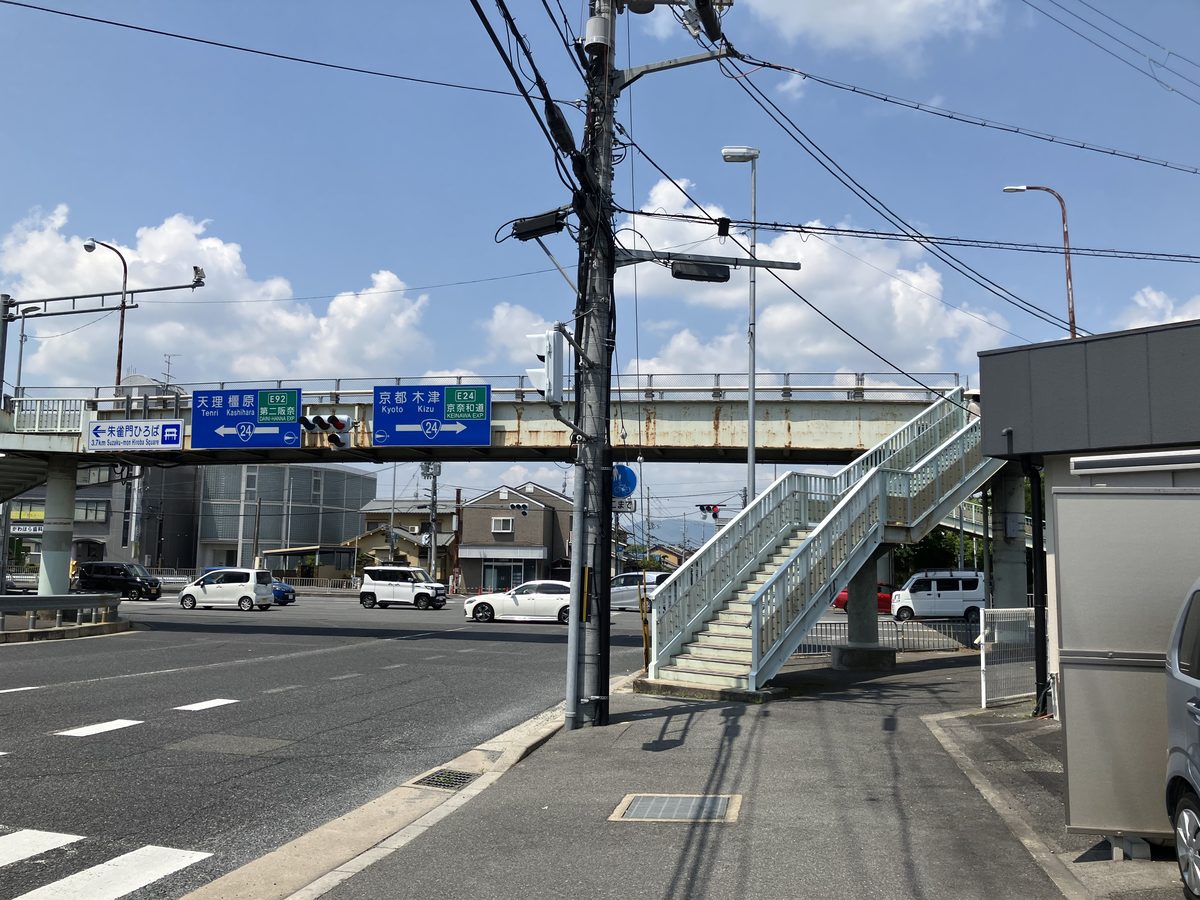
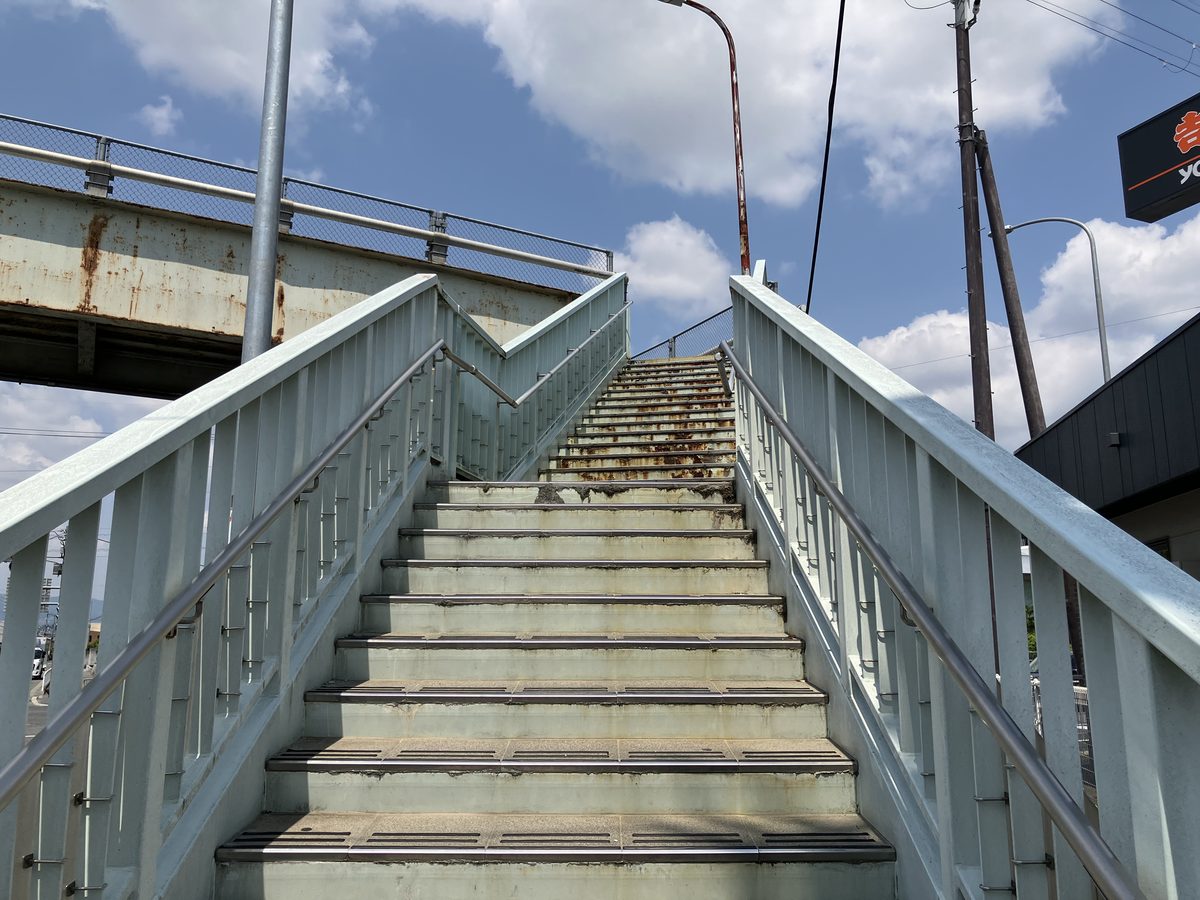
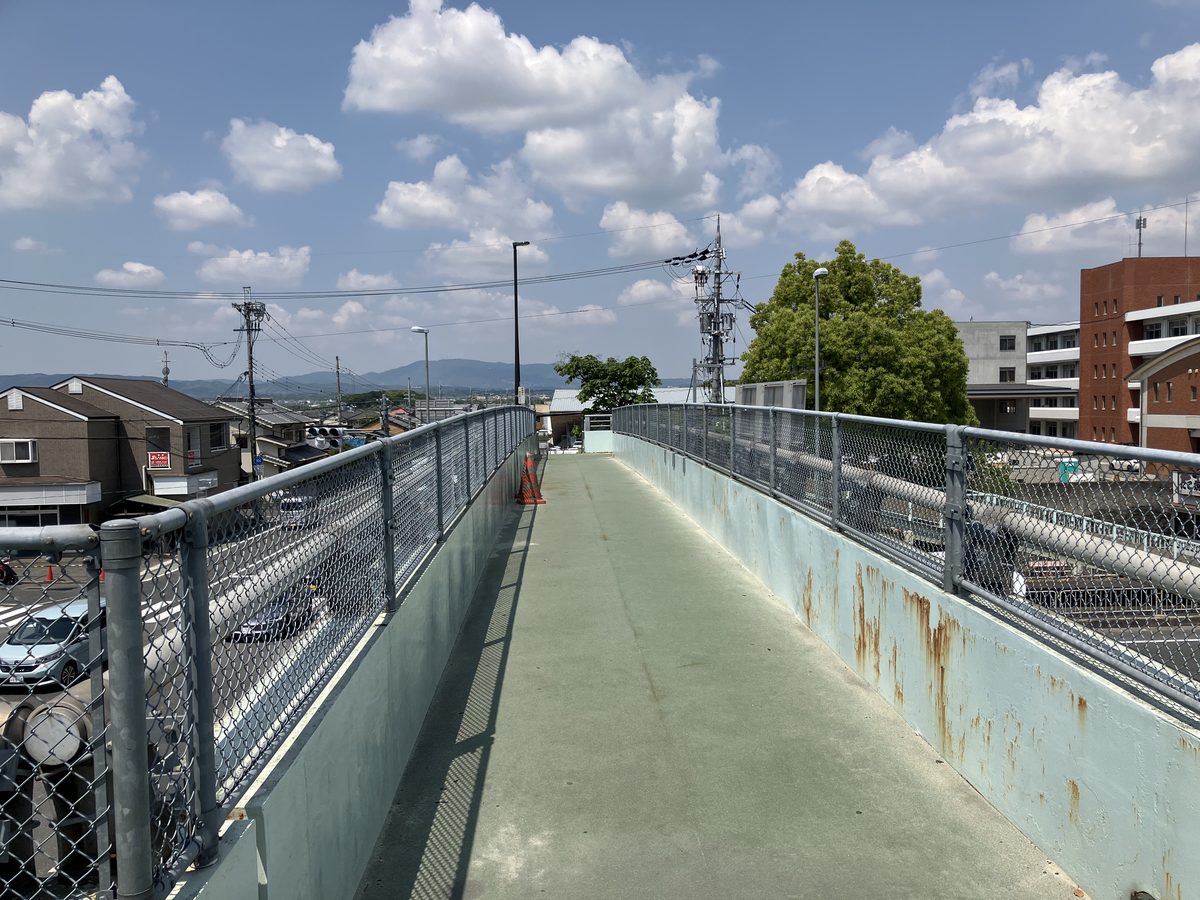
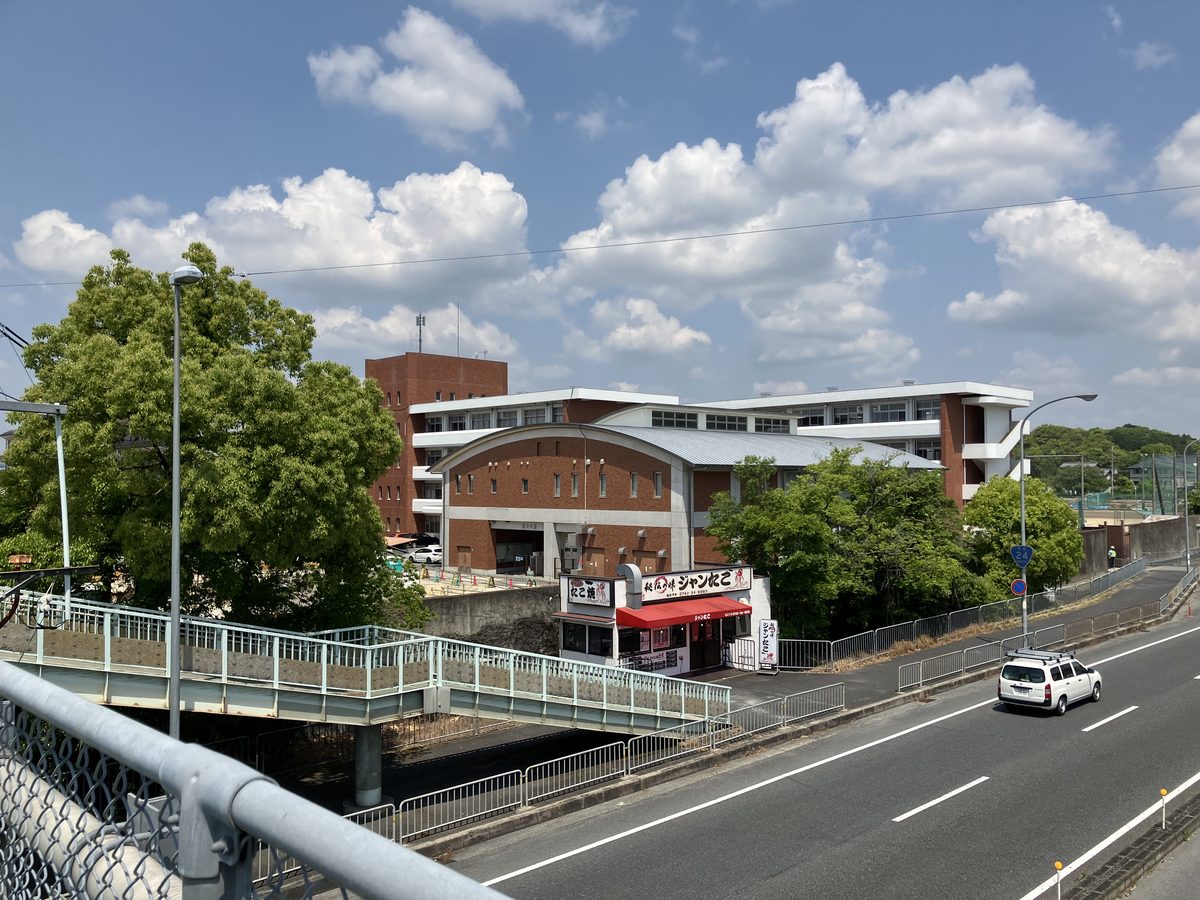
This article guides you on foot from Futaiji Temple, with photos (about 20 minutes, about 1.0 km).
If you are visiting only Kairyuoji, it is about a 15-minute walk from Kintetsu Nara Line — Shin-Omiya Station (A27), according to the temple. By bus, get off at the Nara Kotsu stop "Hokkeji-mae" and the temple is right there (see the FAQ for details).
About Kairyuoji Temple — Safe Travels and the Roots of Sutra Copying
"Sumidera" — the Temple in the Corner of the Empress's Residence
According to the temple's history, when the capital moved to Heijo-kyo in 710, the statesman Fujiwara no Fuhito built his residence on this land. He chose not to tear down an old temple that stood in the northeast corner of the grounds — and that temple was the beginning of Kairyuoji. After Fuhito's death, the residence passed to his daughter, Empress Komyo, and became the empress's palace. Because the temple stood in its corner, it was also called "Sumidera" (the Corner Temple).
Lying right next to the east side of Heijo Palace — the emperor's residence and the center of government — the temple was cherished as a palace temple where prayers were offered for the emperor and empress. The temple describes itself as having been the closest temple to Heijo Palace in the days when the capital was in Nara.
The Sea Dragon King Sutra Chanted in a Storm — a Temple for Safe Travels and Study Abroad
The temple's name comes from the story of one student monk.
In 717, the scholar monk Genbo crossed to Tang China with a Japanese embassy (kentoshi). After many years of study, he set out for home in 734 — but in the East China Sea his ship was struck by a violent storm. From the more than 5,000 scrolls of sutras on board, Genbo chose the Sea Dragon King Sutra (Kairyuo-kyo) and chanted it with all his heart. He narrowly escaped death, drifted ashore on Tanegashima Island, and the following year, 735, finally made it back to the capital, according to tradition.
Empress Komyo, who had prepared the temple's halls while praying for Genbo's safe return, and Emperor Shomu appointed him head priest of this temple. Then, after the Sea Dragon King Sutra, the temple was named Kairyuoji — "Temple of the Sea Dragon King." From then on, prayers for the safe voyage of the Japanese embassies to China were offered here, and even today people setting out on journeys come to pray at this temple for safe travels and study abroad.
In fact, the 717 embassy that carried Genbo to China also included Abe no Nakamaro, who would later serve at the Tang court, and Kibi no Makibi, as students. Of those who crossed the sea in the same year, Genbo made it home through the storm — but Nakamaro's ship home was caught in a storm, and he never set foot in Japan again. I wrote Nakamaro's story in Today's Wisdom: "Name Three Good Things from Today". Knowing how precious a safe return once was, you may see the prayers of this temple a little differently.
The Roots of Heart Sutra Copying
Genbo was also devoted to spreading the Heart Sutra, and in the Nara period the copying of the Heart Sutra was widely practiced at this temple. The copies made here are called the "Sumidera Shingyo" (the Corner Temple Heart Sutra), after the temple's other name, and they are still carefully preserved by the temple. Later, Kobo Daishi Kukai is also said to have dedicated one thousand copies of the Heart Sutra to this temple, praying for a safe crossing to Tang China, according to the temple's documents from the early Kamakura period.
The Heart Sutra itself came to Japan from China, in the Chinese translation by the Tang monk Xuanzang. What Kairyuoji is regarded as the birthplace of is the practice of copying it by hand (shakyo). According to the temple, almost all the model texts used for Heart Sutra copying today are based on this "Sumidera Shingyo." The temple still has a sutra-copying hall, where you can try copying the sutra yourself, using as your model the Sumidera Shingyo said to be written by Kukai.
Revived by Eison, Like Saidaiji, Byakugoji, and Futaiji
After the capital moved to Heian-kyo (Kyoto), Kairyuoji gradually declined. It was revived in the Kamakura period by Kosho Bosatsu Eison, who restored Saidaiji Temple, introduced in No. 002. Just like Byakugoji (No. 004) and Futaiji (No. 006), this temple too is connected to the same remarkable lineage, and it belongs to the same Shingon Ritsu school as Saidaiji.
The temple later suffered heavy blows from the aftermath of the Onin War and from the anti-Buddhist movement of the early Meiji era, and it is said to have lain in ruins until the middle of the Showa era. Repairs in the 1960s brought back the quiet temple you see today.
Access (Basic Information)
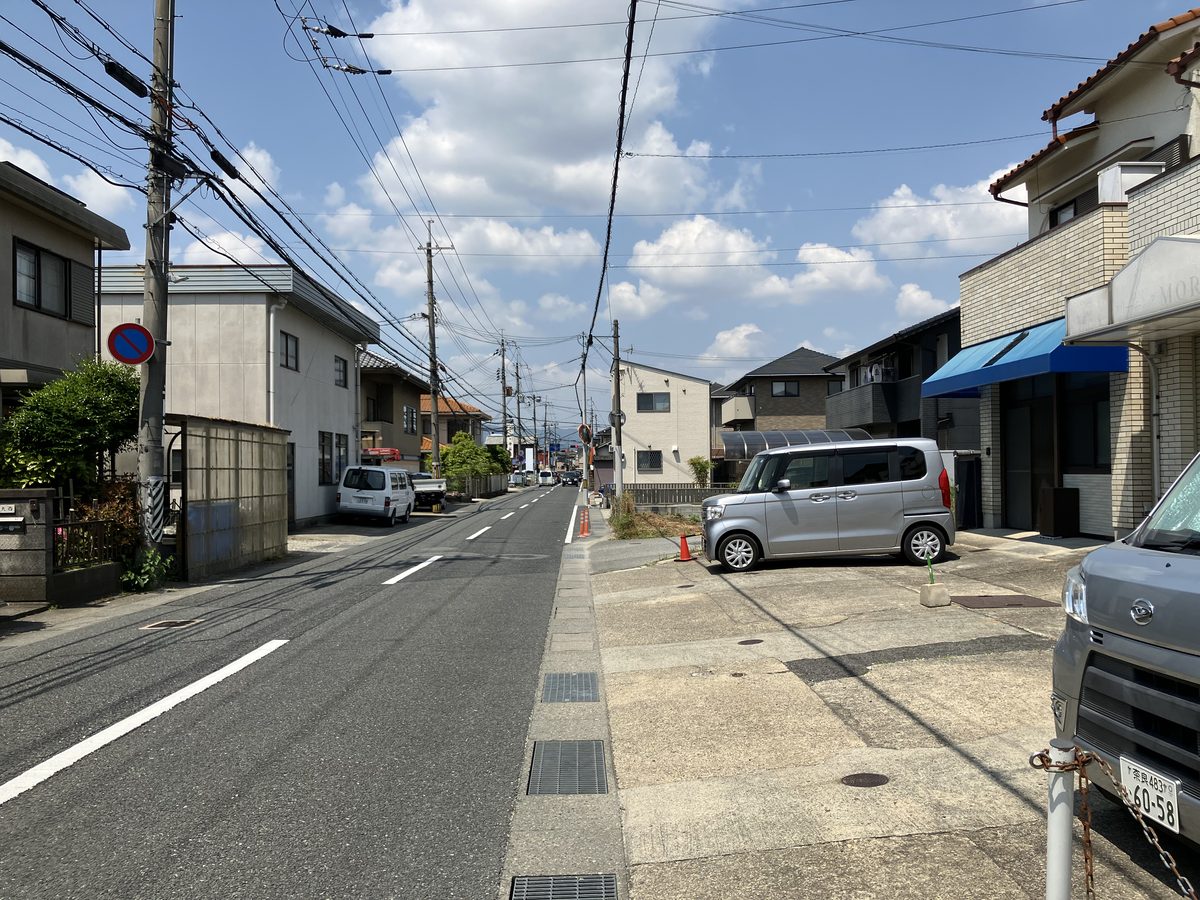
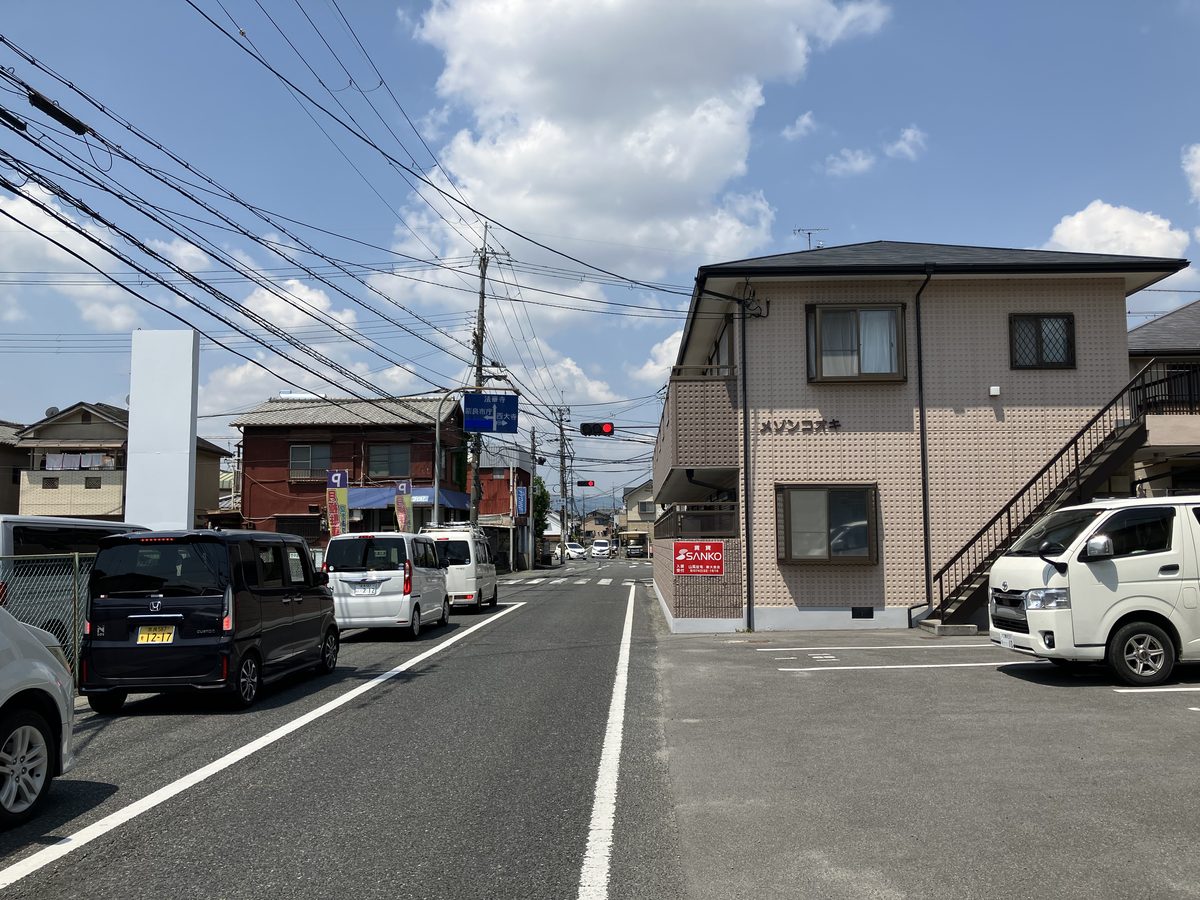
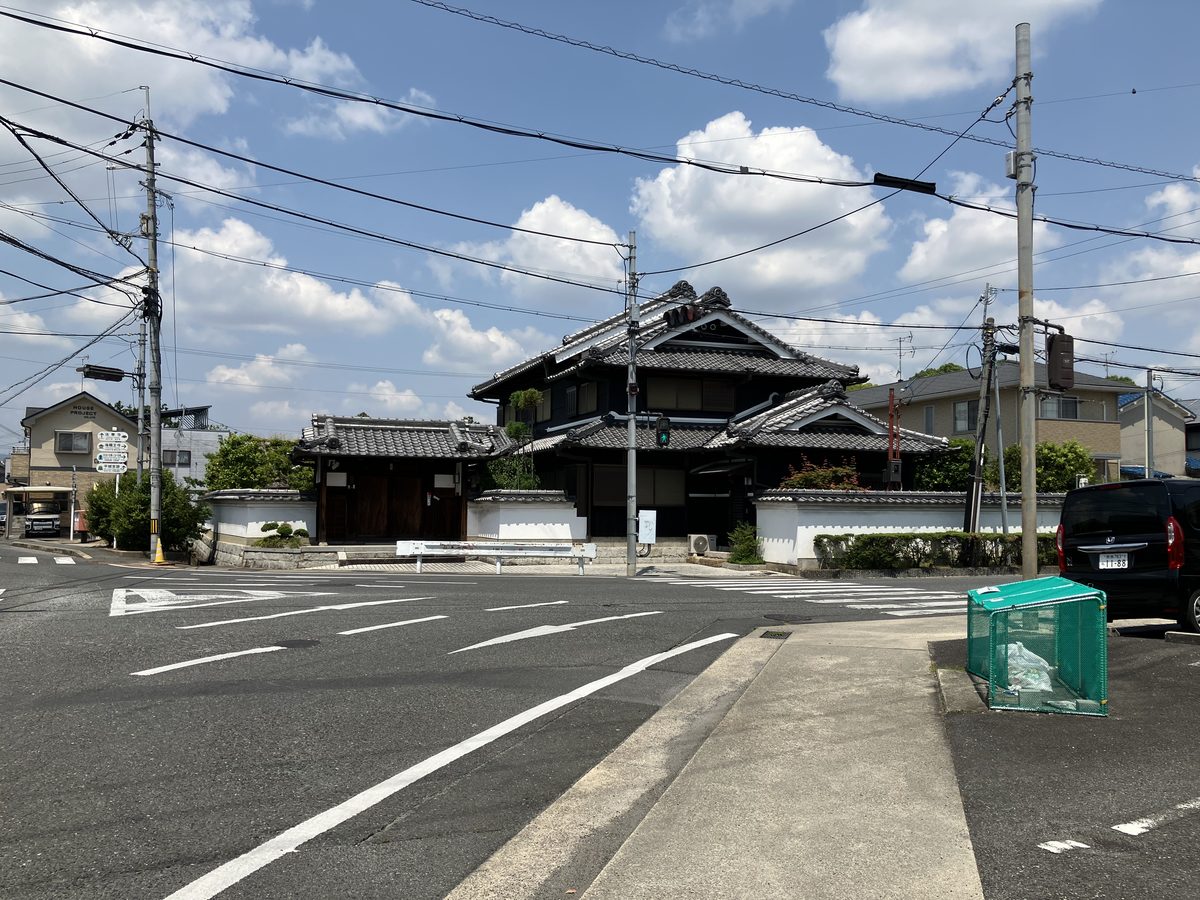
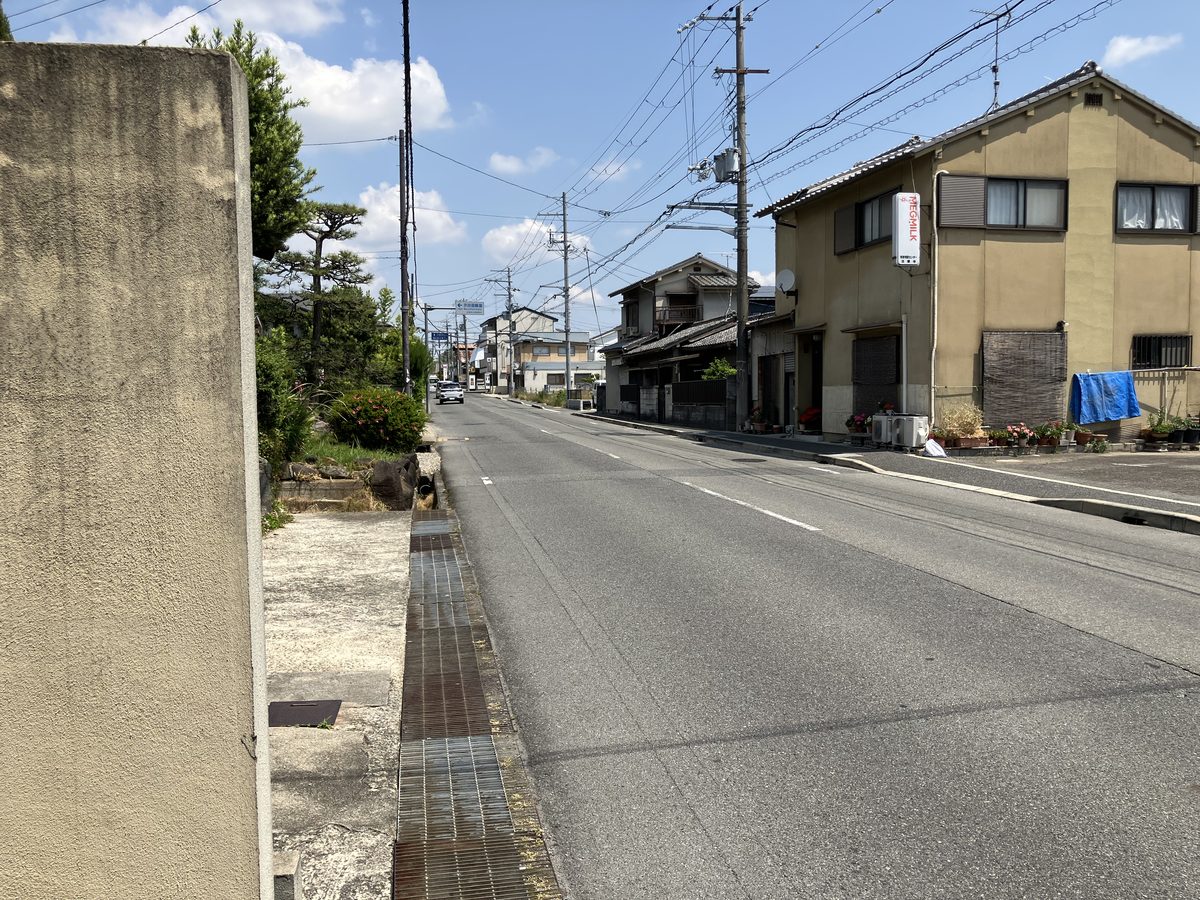
Futaiji Temple → Kairyuoji Temple (on foot)
· Shortest distance: approx. 1.0 km
· Walking time: approx. 20 minutes
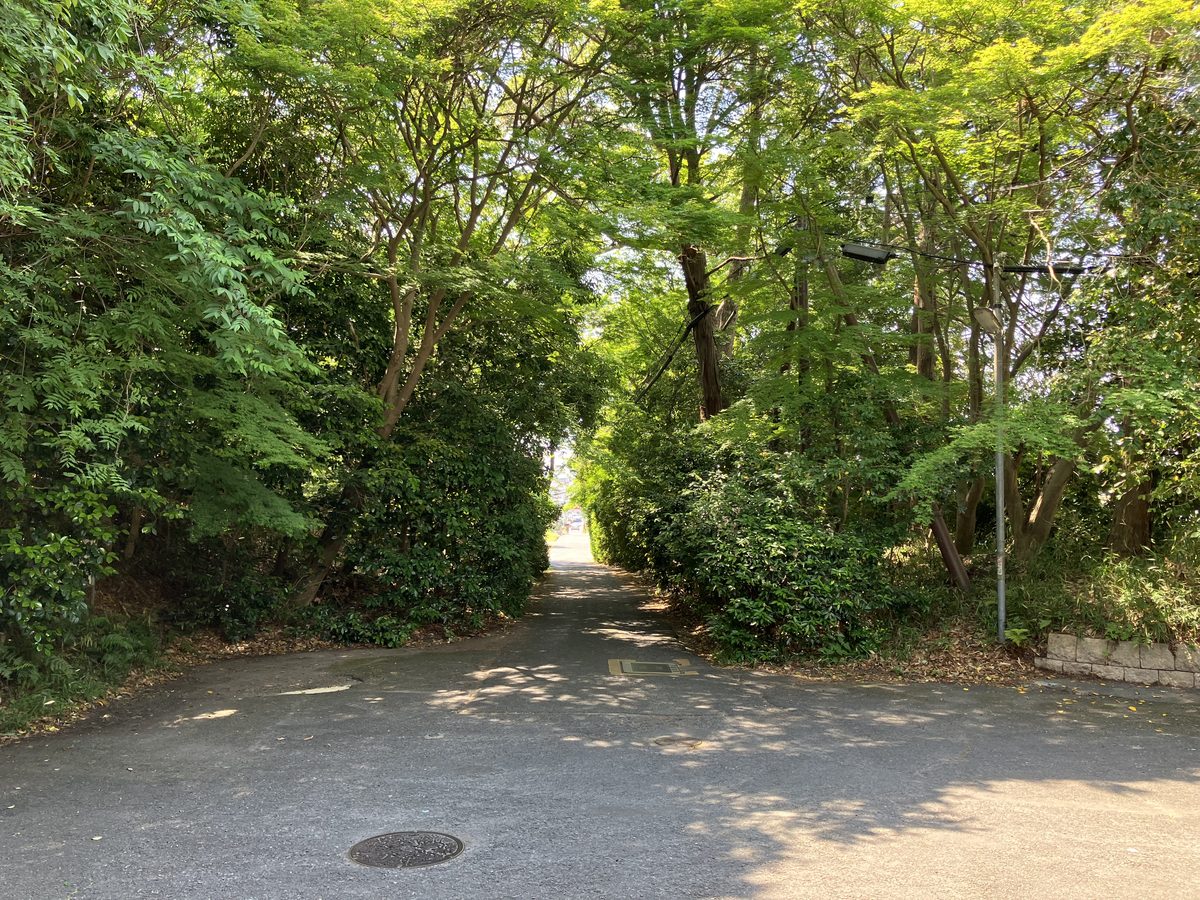
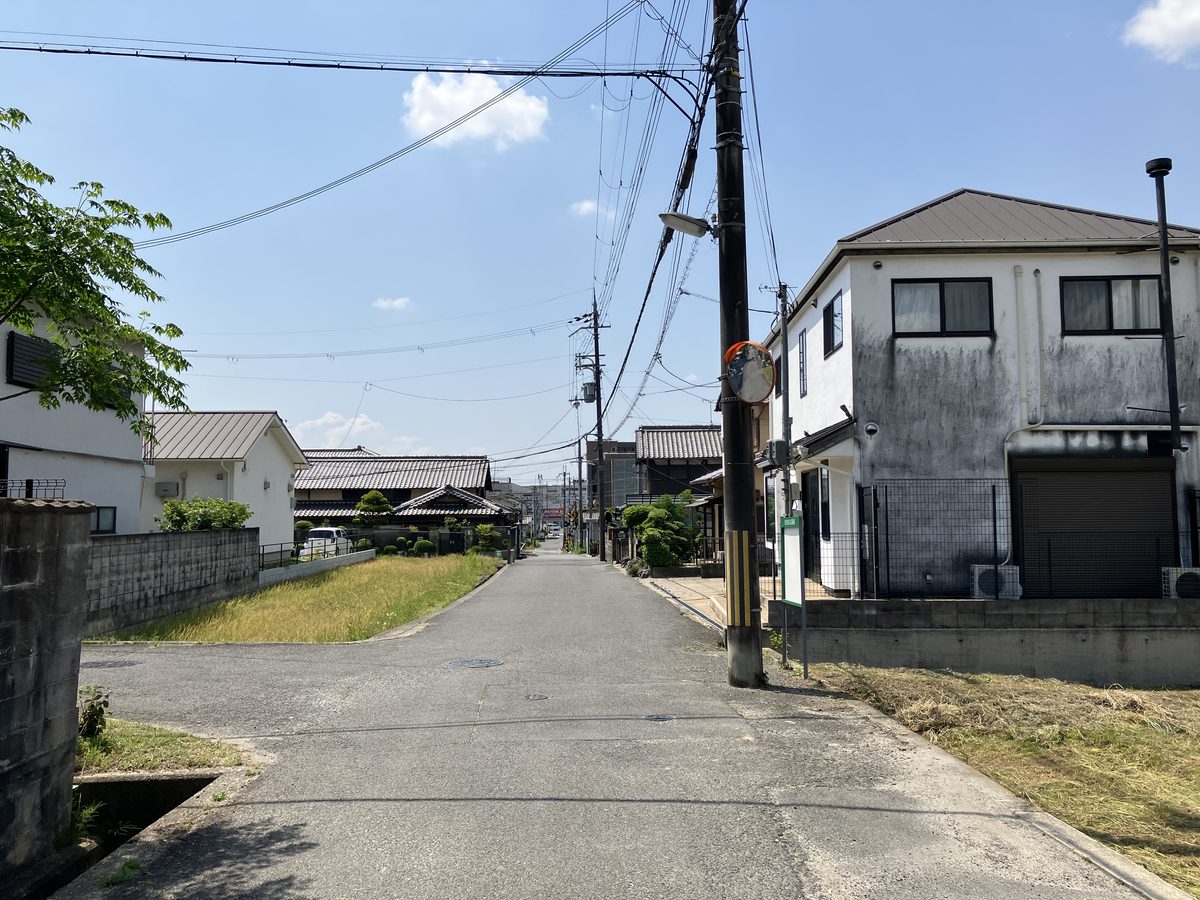
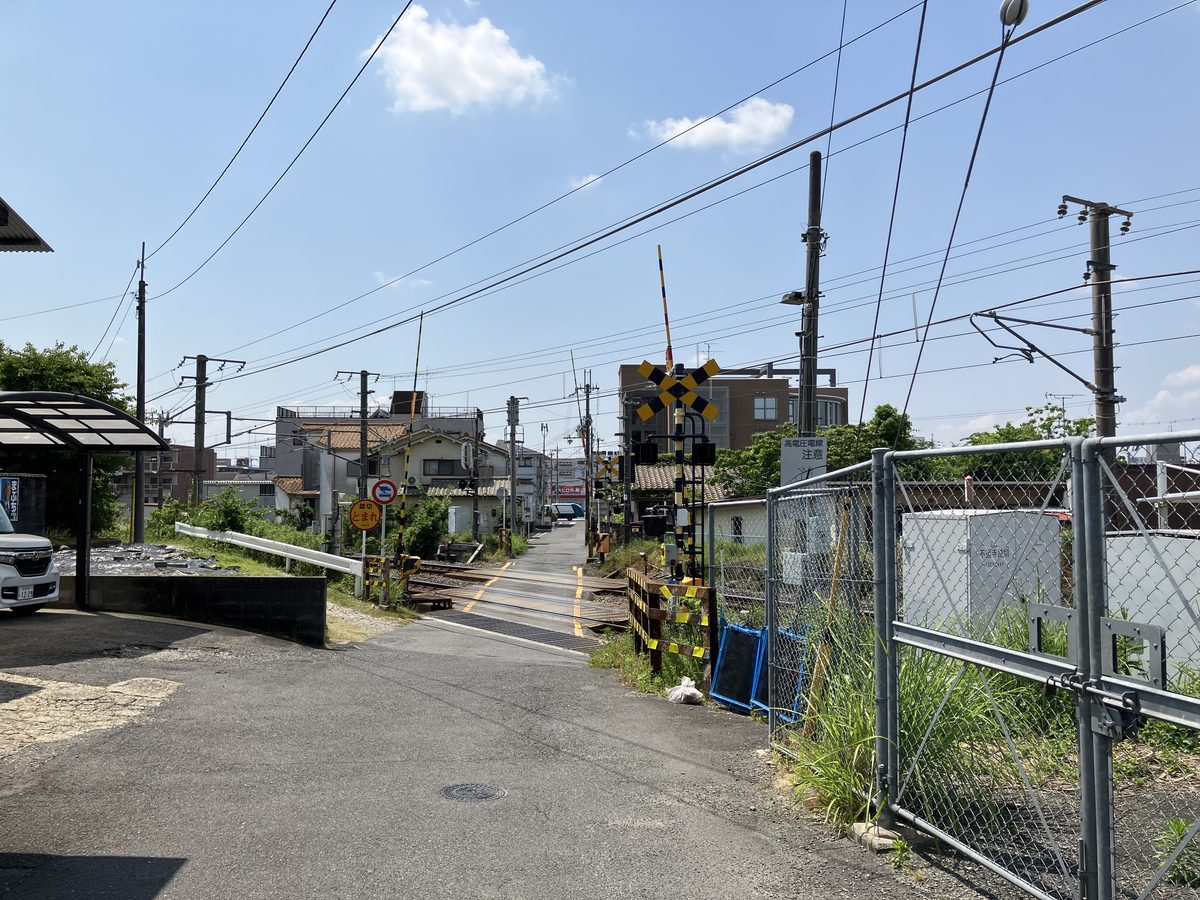
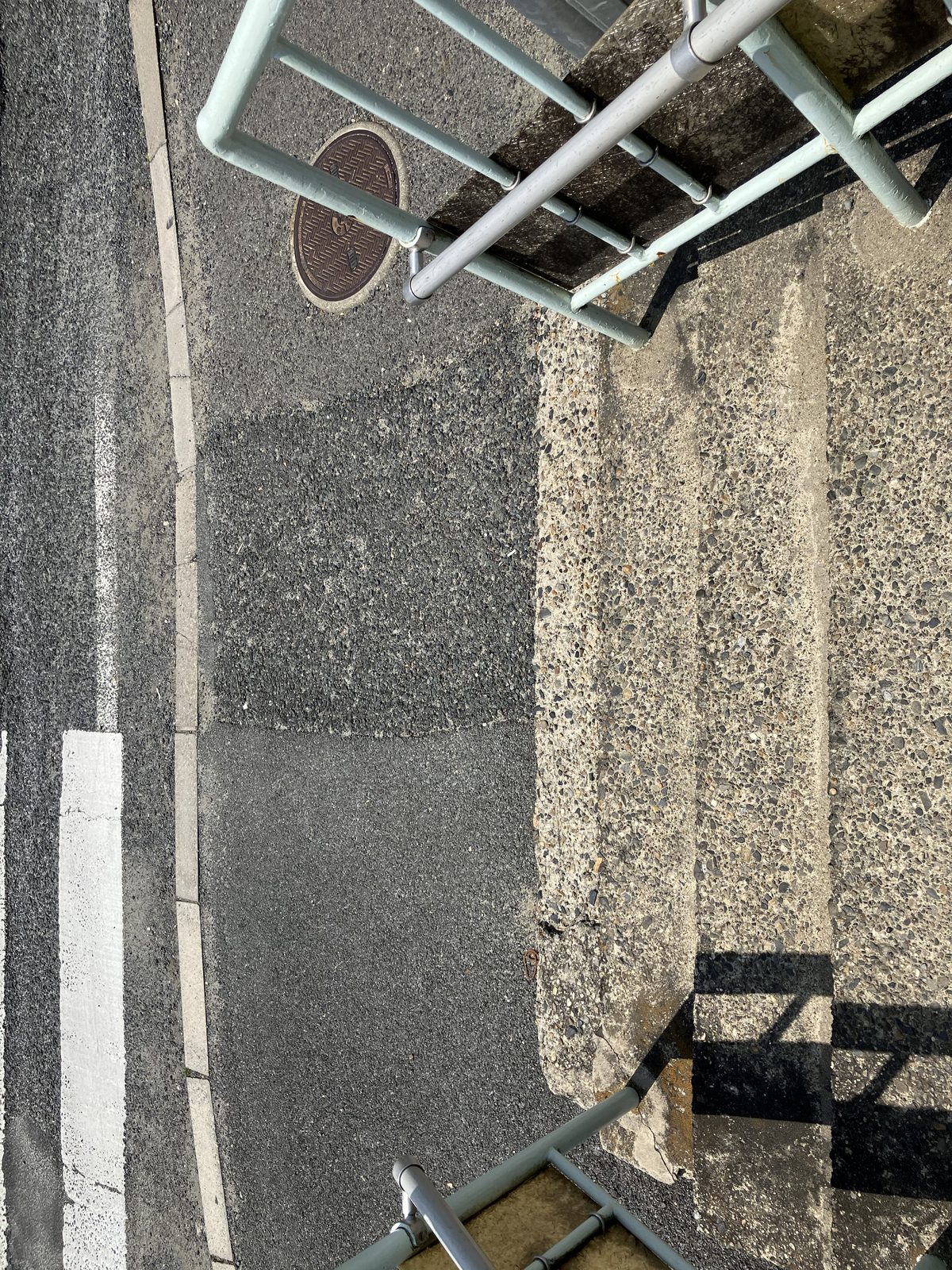
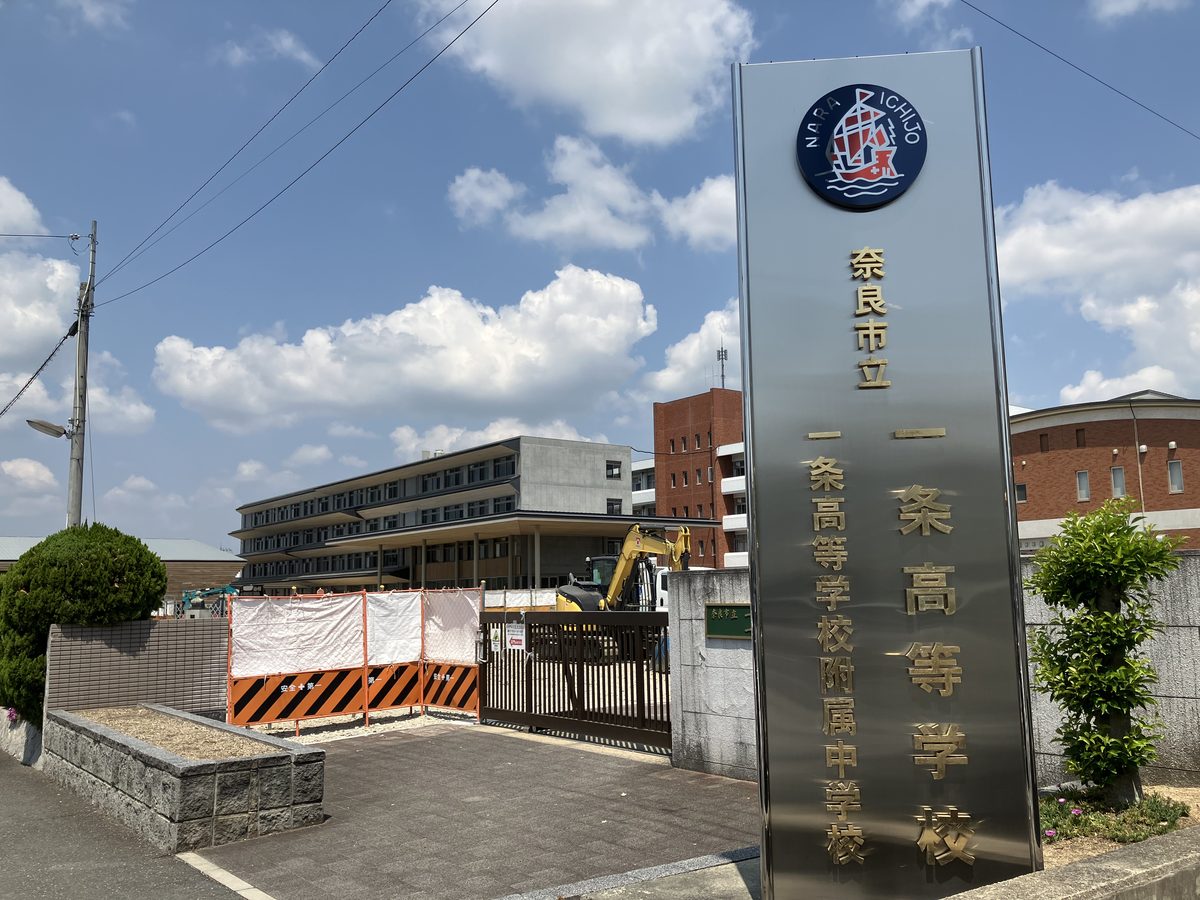
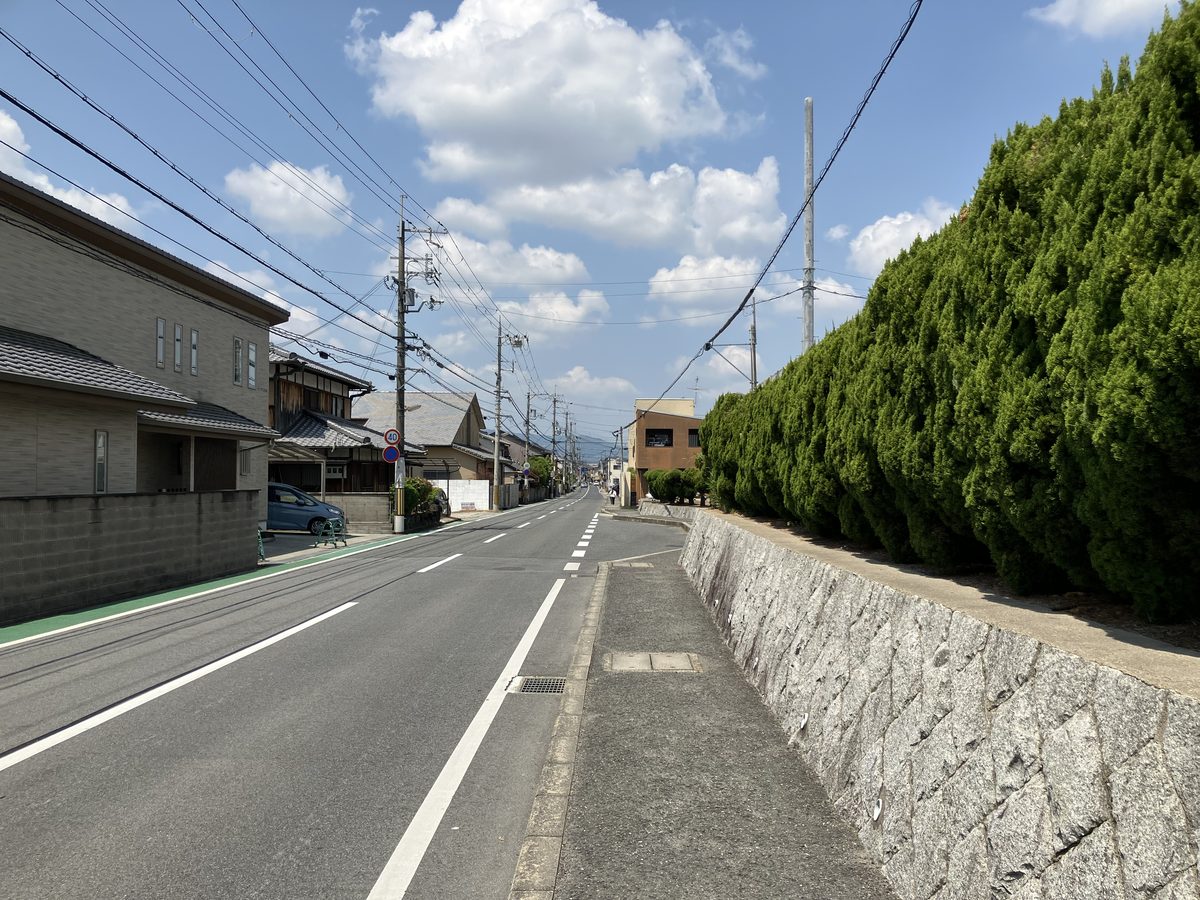
· Route: Head straight back the way you came (heading south), then proceed straight west along Prefectural Route 104 (Tanida Nara Line) to reach the temple.
Getting to Kairyuoji Temple from Futaiji
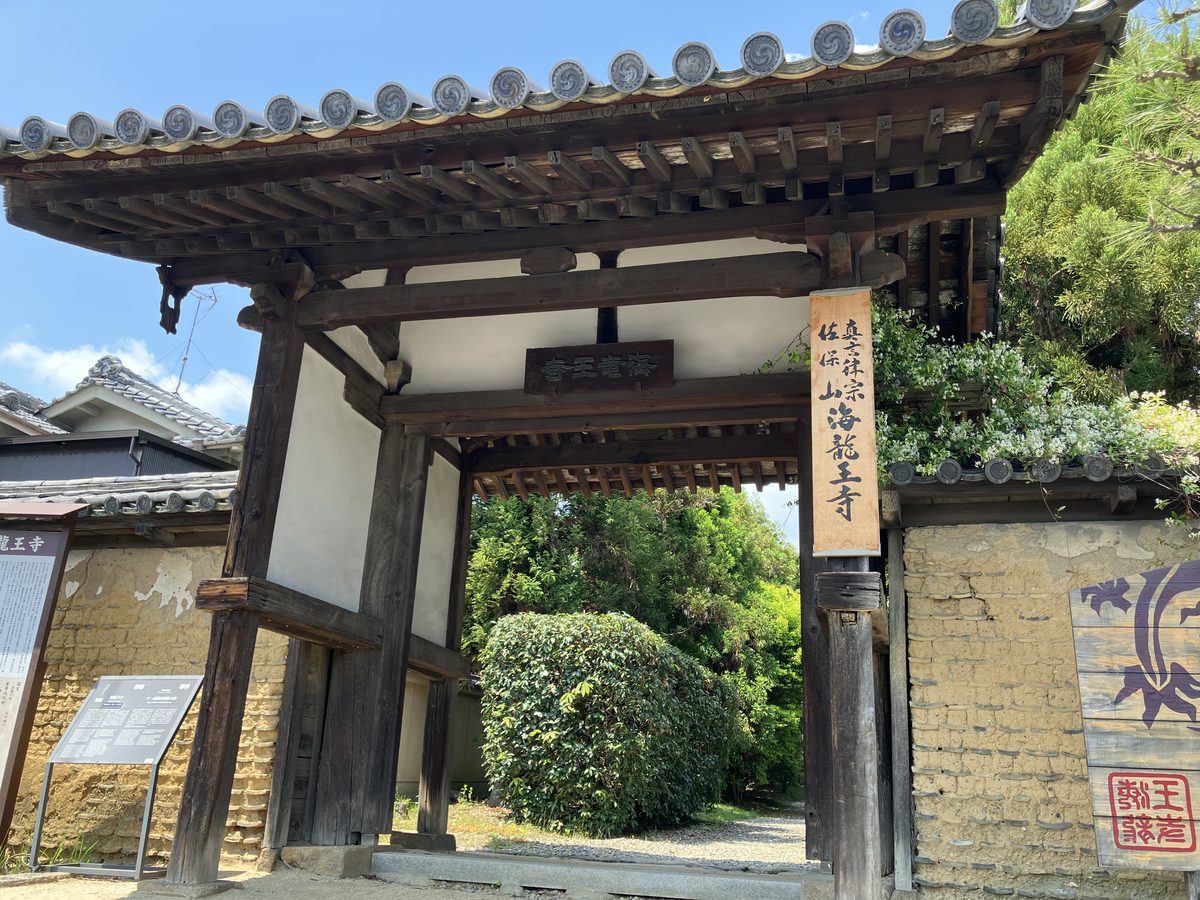
Walking the Grounds — From the Approach to Japan's Smallest Pagoda
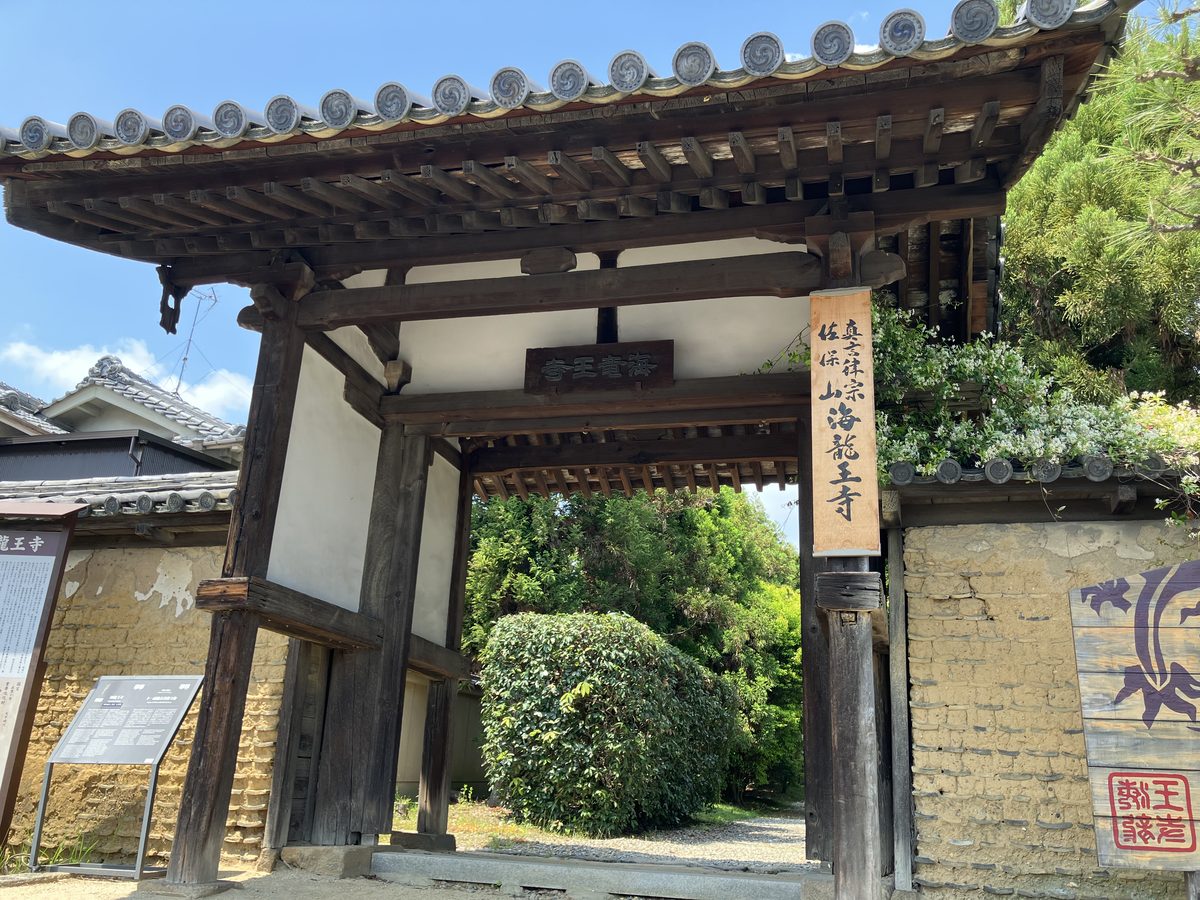
Kairyuoji's front gate is a Muromachi-period four-legged gate (a Nara City Designated Cultural Property). It stands where it faces Higashi-Nibo Oji, one of the great avenues of the ancient capital. Once you pass through, an approach wrapped in greenery runs straight ahead. The temple itself says that "many people love this scenery" — a path that feels truly like a Nara temple.
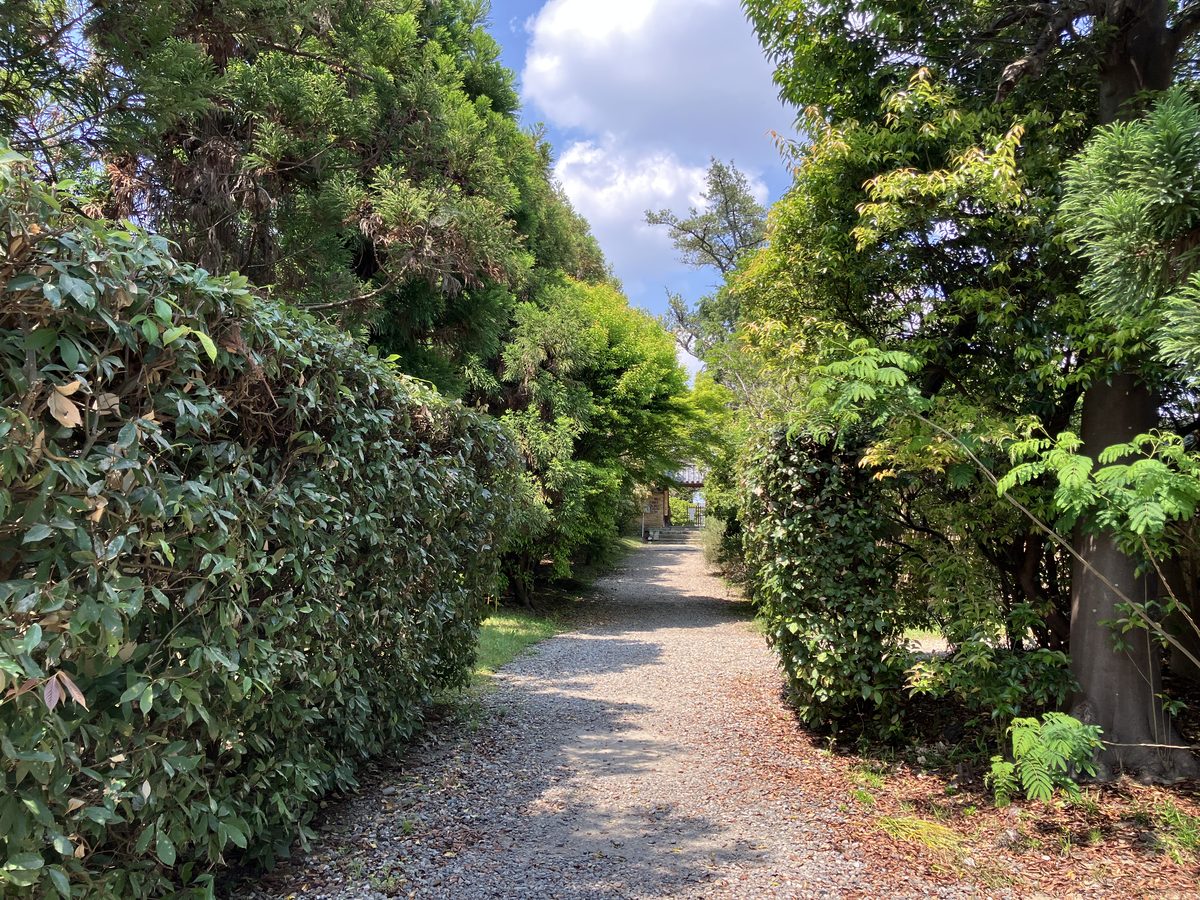
At the end of the approach is a gate with the reception. Beyond this point, an admission fee is required.
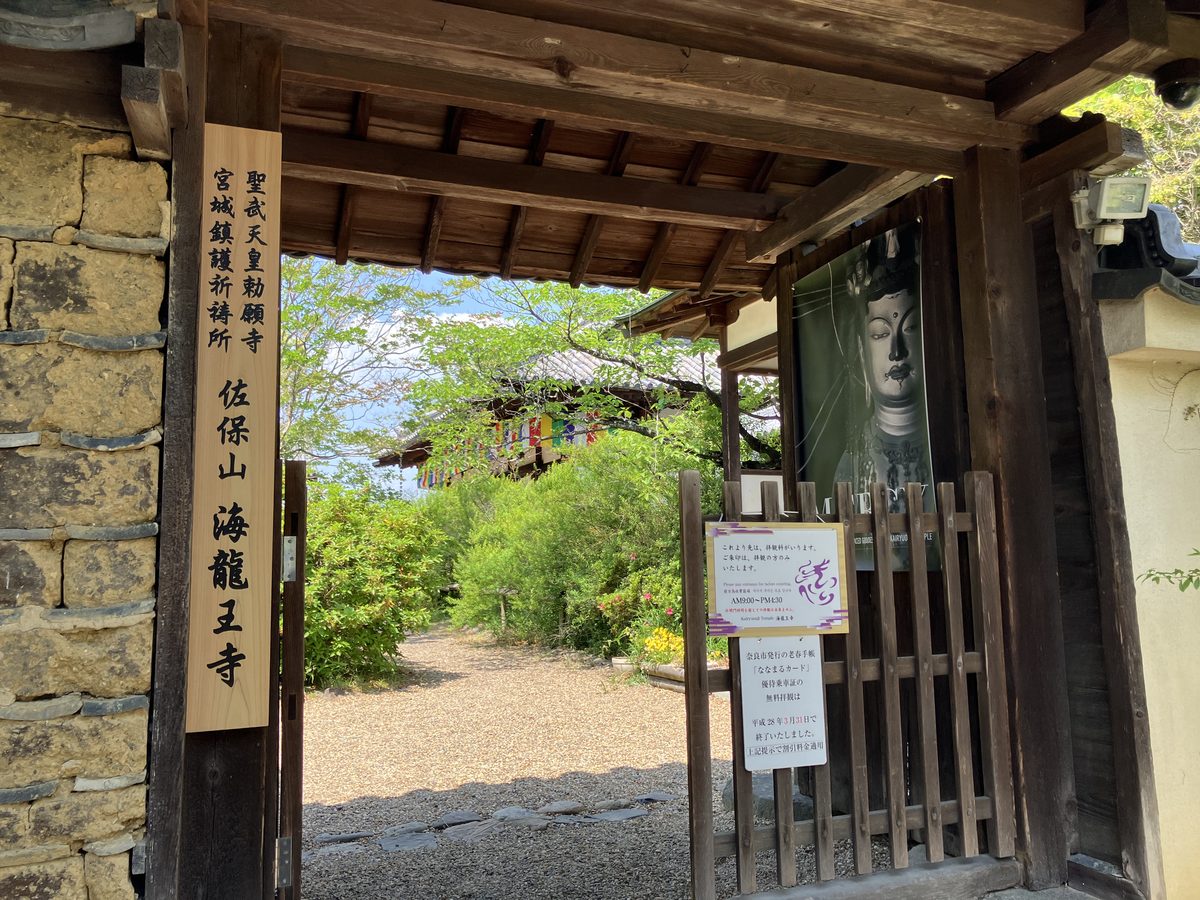
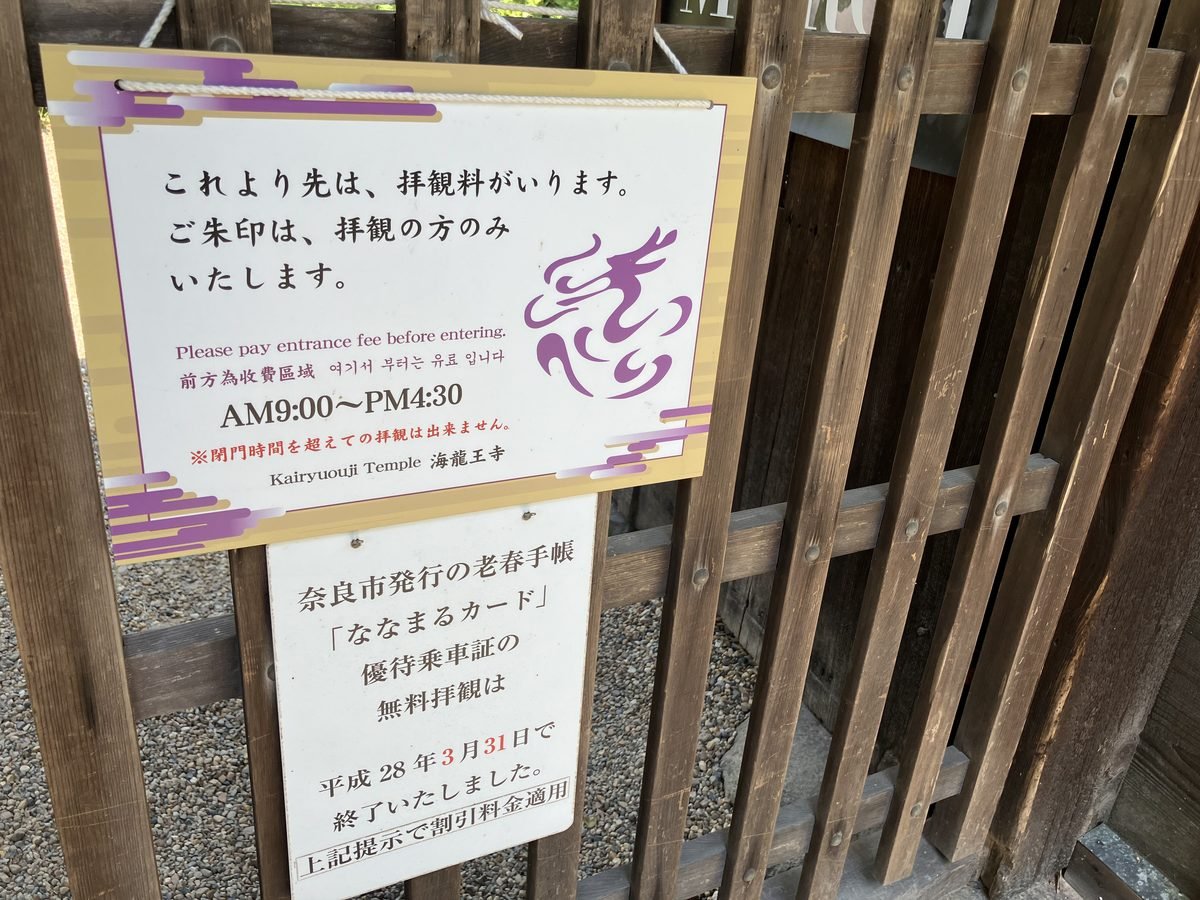
The Main Hall — a Little Different from Other Temples
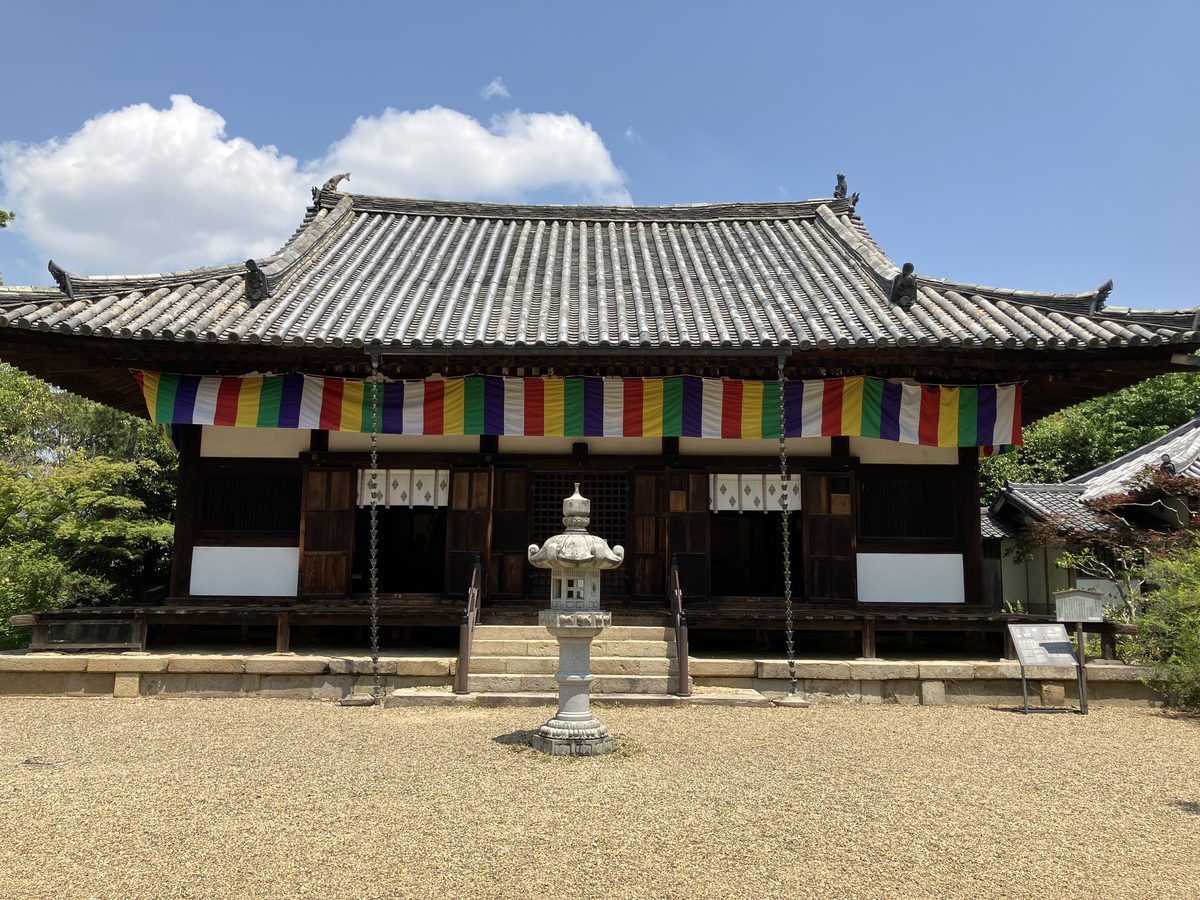
Past the reception, head first to the main hall. It stands where the Central Golden Hall of the Nara period once stood, and was built in the Edo period (said to be around 1665) (a Nara City Designated Cultural Property). Although it is an Edo-period building, its old-fashioned style resembles the Buddhist halls of the Nara period.
This main hall is a little different from those of other temples. The way the Buddhist images are enshrined and shown has been thoughtfully arranged, and it left me with a distinctive impression. To protect the current arrangement that lets visitors see the images up close, the temple strictly prohibits photography and the use of lights inside the hall. The hall also enshrines the principal images of the 88 temples of the Shikoku pilgrimage, carved by the previous head priest himself, who devoted himself to reviving the temple when it had fallen into ruin.
The principal image, the standing Eleven-Headed Kannon (Kamakura period, an Important Cultural Property), is said to have been made by a sculptor of the Kei school in the Kamakura period, based on a Kannon carved by Empress Komyo herself. According to the temple, its robes are decorated with fine kirikane (cut gold leaf) patterns in vivid colors, and even its ornaments are crafted with exquisite precision. However, it is usually viewed through a curtain, and its figure is shown directly only during the spring and autumn special openings. When I visited in mid-May, it was behind the curtain too.
And one more thing. A guide placed in the main hall tells the history this temple has walked in detail. What story lies behind the achievements written on the surface of history? Please pick it up on site and see for yourself.
"Fukuryu" — a Dragon Expressed with Trees
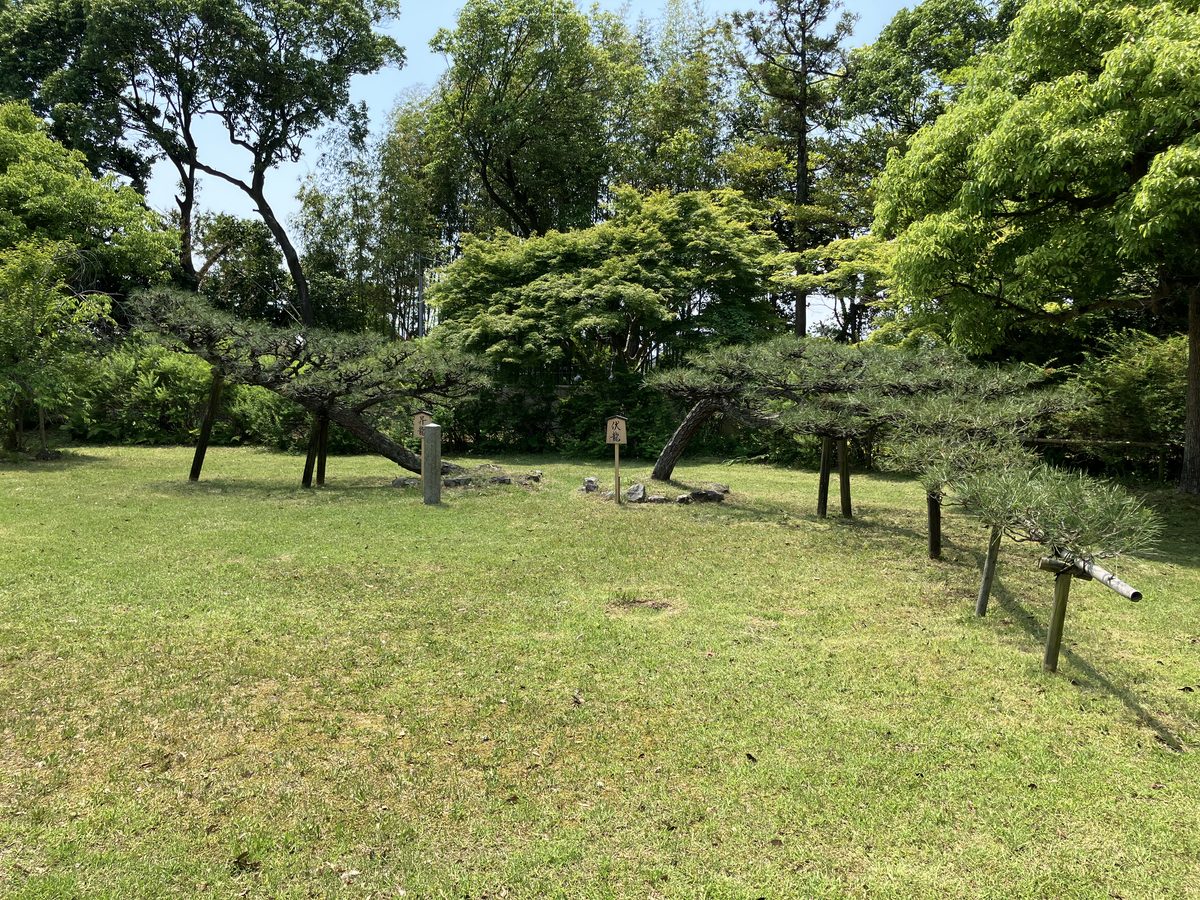
On the lawn of the grounds, pine trees stretch their branches low along the ground, and among them stands a small sign reading "Fukuryu" (crouching dragon). It is a dragon expressed with trees — fitting for a temple named after the Dragon King of the Sea.
The West Golden Hall and Japan's Smallest National Treasure Pagoda
The West Golden Hall (Saikondo), standing to the west of the main hall, dates from the temple's founding (an Important Cultural Property). It has undergone major repairs in the Kamakura and Showa periods, but part of its Nara-period timber still remains. According to the temple, it is the only small hall built in the Nara period that survives today.
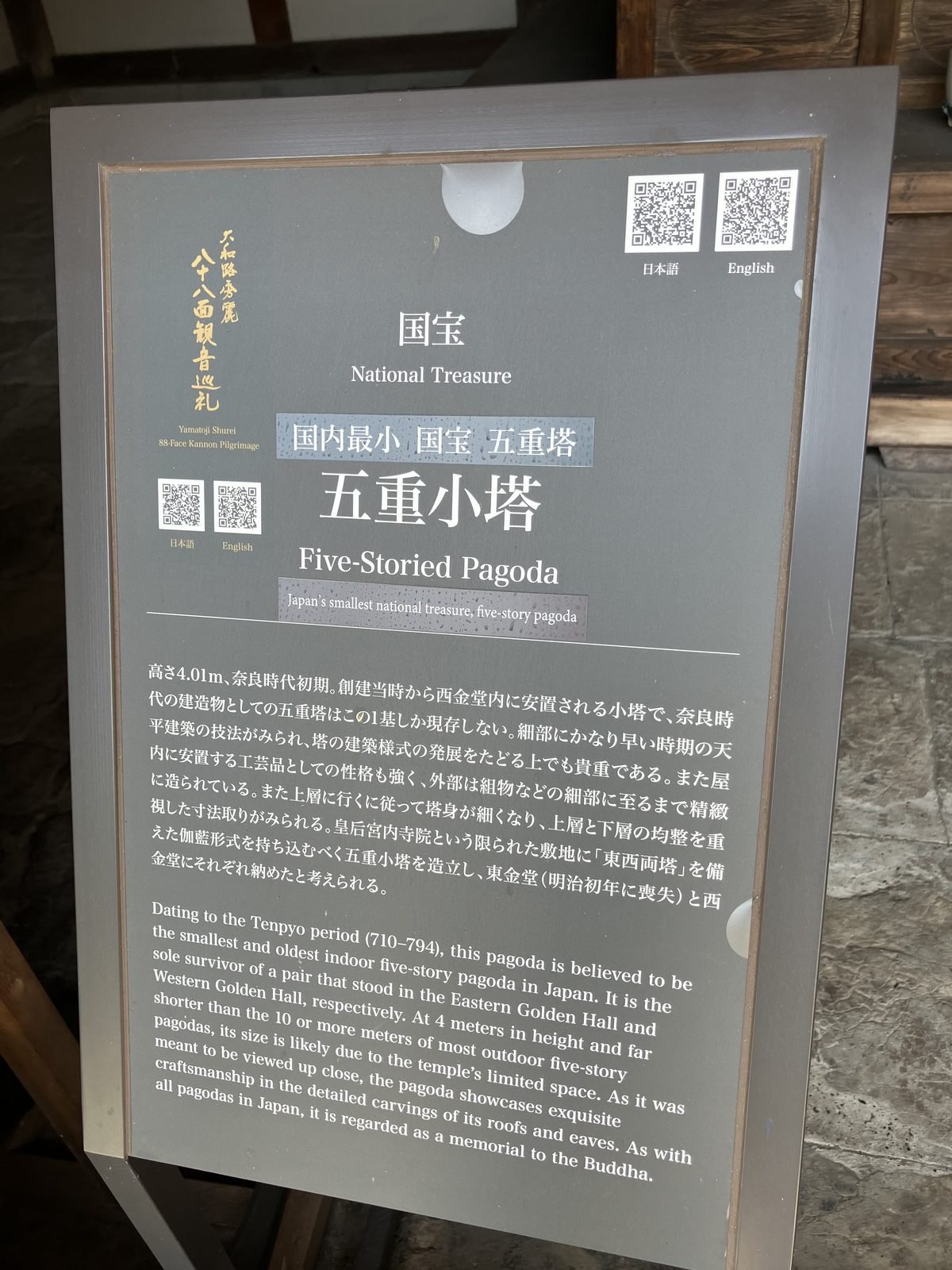
And enshrined inside this hall is the thing that drew me most at Kairyuoji: the Five-Storied Pagoda (Gojushoto).
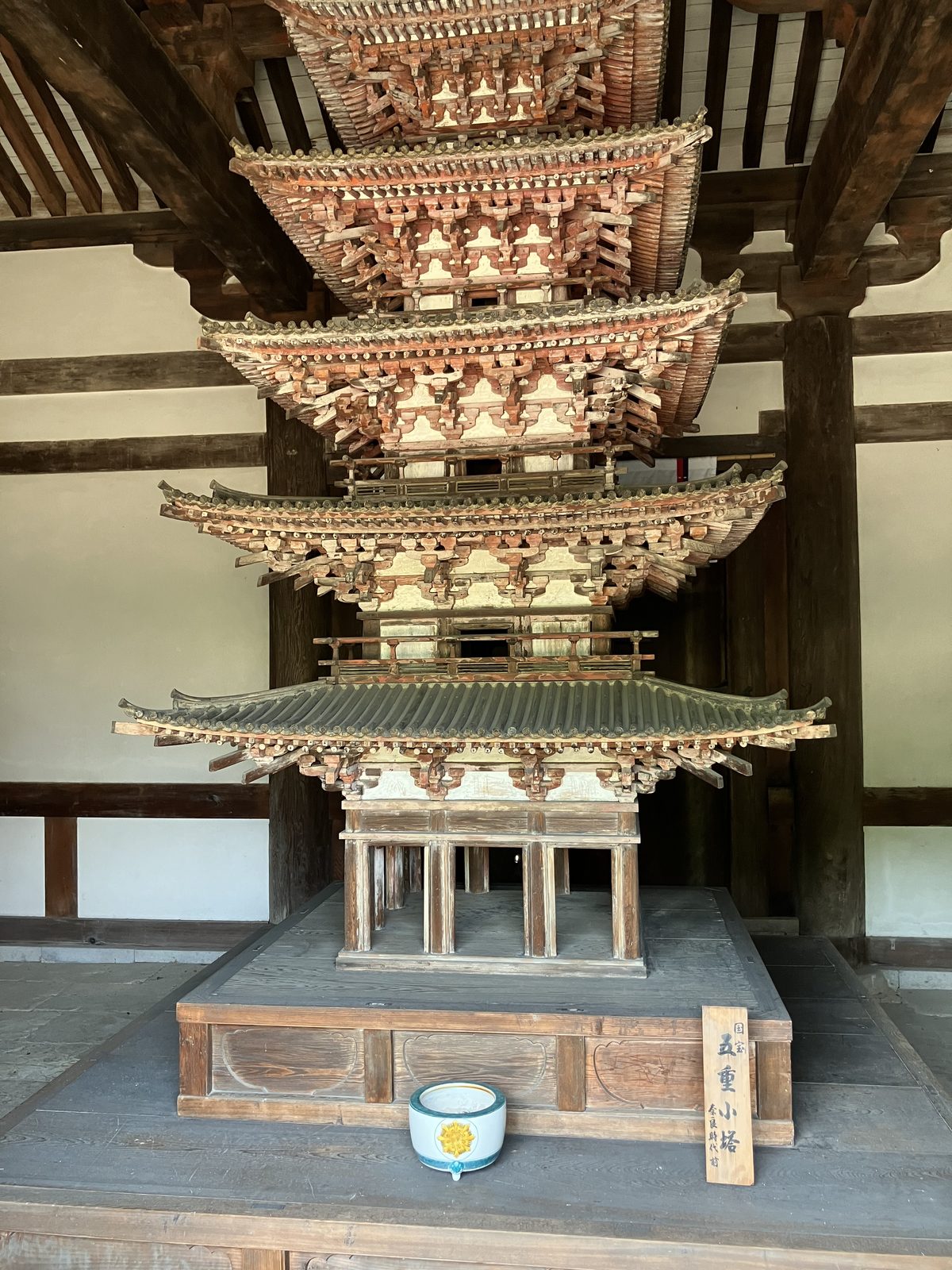
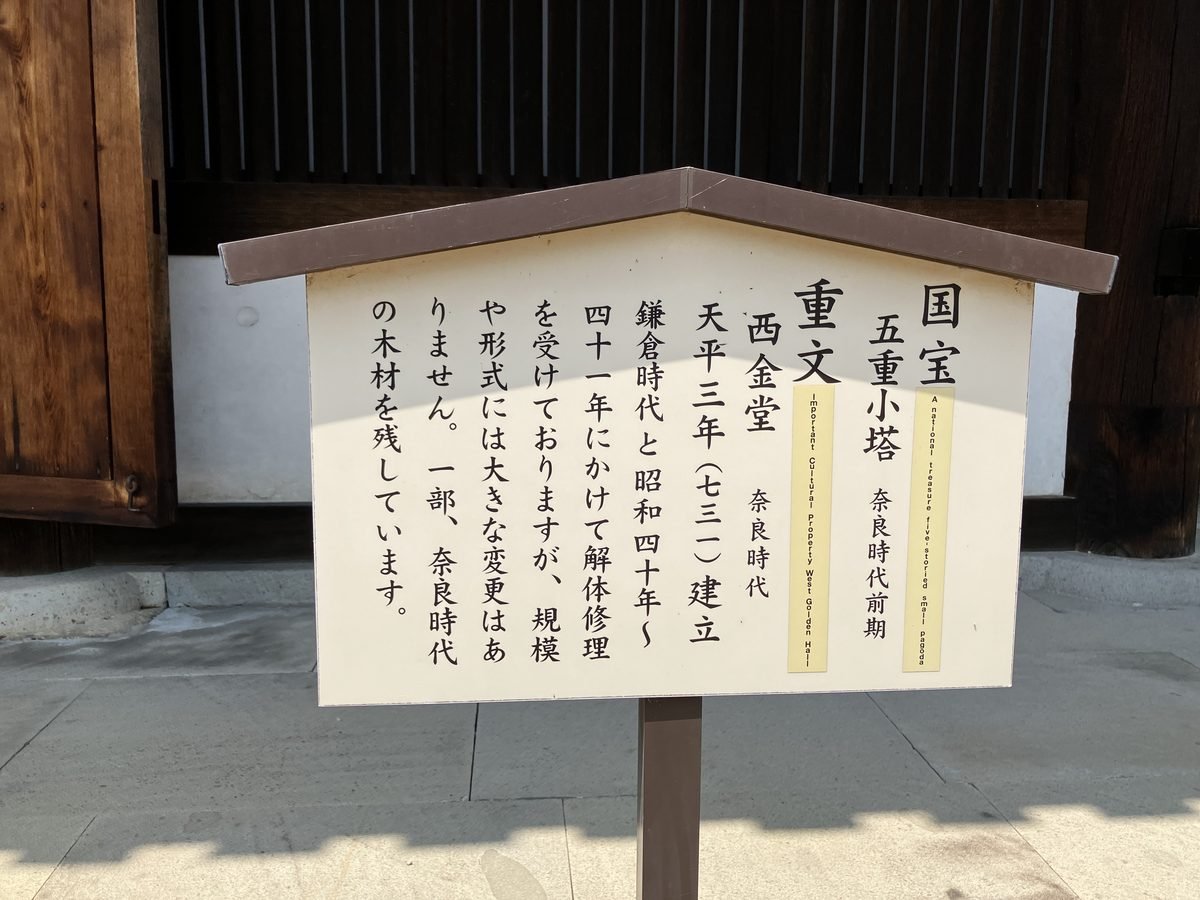
It is 4.01 meters tall, made in the early Nara period, and designated a National Treasure. The temple's sign calls it "Japan's smallest national treasure, five-story pagoda."
What surprised me first was simply that there was a five-story pagoda inside a hall. Until then, I had never imagined a pagoda standing indoors. And I assumed that, being so much smaller than the large pagodas I was used to, its details would be made simply — but no. It is crafted with astonishing precision, down to the finest detail.
In fact, because the pagoda was made to be enshrined indoors and worshipped up close, even the bracket work beneath its roofs is faithfully reproduced. So why was it made so small? According to the temple, it is thought that, in order to bring a full temple layout with "two pagodas, east and west" — like those of great temples — into the limited grounds of the empress's residence, small pagodas were made and placed in the East and West Golden Halls. The East Golden Hall was lost in the early Meiji era, and only the one in the West Golden Hall remains today.
Compared with the famous, grand pagodas, I felt that the whole history this temple has walked is packed into this small, delicate one.
The Sutra Storehouse — a Raised-Floor Building from Eison's Time
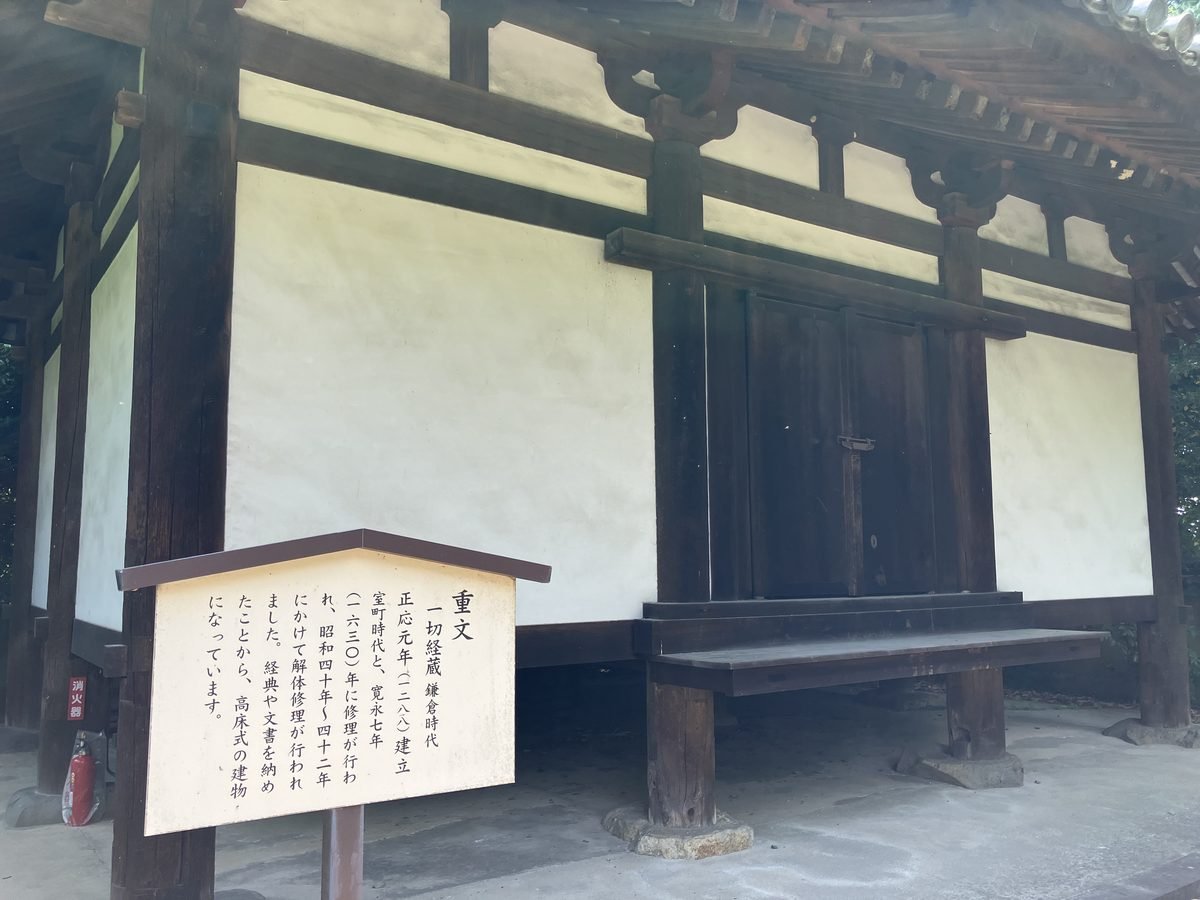
The grounds also keep the sutra storehouse (Kyozo), built in 1288 when Eison revived the temple (Kamakura period, an Important Cultural Property). According to its sign, it has a raised floor because it was used to store sutras and documents.
In addition, in the northwest of the grounds, beside the West Golden Hall, stands the sutra-copying hall, along with a stone bearing a poem by Aizu Yaichi about the West Golden Hall.
Visitor Information — Hours, Admission, Special Openings
| Hours | 9:00–16:30 (9:00–17:00 during the spring and autumn special openings) Visitors leave at closing time |
|---|---|
| Closed | August 12–17 and December 24–31 (for temple events) There are also occasional extra closing days, announced in the "News" section of the temple's official website (in Japanese) |
| Admission | Adults 500 yen / junior and senior high school students 300 yen / elementary school students 100 yen During the spring and autumn special openings: adults 600 yen (700 yen from March 1, 2027) |
| Payment | Pay in cash at the reception |
| Time needed | 30–45 minutes (in my case) |
| Special viewing of the principal image | Usually late March to early April, early May, and late October to early November (In autumn 2026: October 24 – November 10) |
| Photography | Photography and the use of lights are prohibited inside the main hall |
| Sutra copying | Reception 9:30–15:30 / 2,000 yen per sheet / reservation recommended (you may be able to join on the day — ask at the reception) |
| Goshuin (temple seal) | Only for visitors who have paid admission (the goshuin fee is paid separately from admission) |
| Nearest station | About 15 minutes on foot from Kintetsu Nara Line — Shin-Omiya Station (according to the temple) About 20 minutes on foot from Futaiji Temple (route with photos) |
| Bus | Nara Kotsu bus stop "Hokkeji-mae," right by the temple (see the FAQ for where to board) |
| Parking | 10 cars |
* Checked in October 2026 against Kairyuoji's official website and the signs on site. The time needed is my (Masaru's) own estimate. Closing days and special opening dates change from year to year, so please check the latest information before you go.
How to Visit — A Morning in an Ordinary Season
If you are coming on from Futaiji Temple, I recommend visiting in the morning. I spent about 30 to 45 minutes on the grounds. They are a size larger than Futaiji's, and with the green approach included, there is a fair amount to walk.
If you wish to see the principal image itself, come during the spring or autumn special openings. Note, though, that the temple says the main hall becomes "very crowded" at those times.
If you plan to walk from Futaiji to Kairyuoji and then on to Hokkeji Temple, I recommend an ordinary season outside the special openings — and one that is not too hot. The reason is that these three temples offer something you can only savor by visiting them in order.
From the quiet of Futaiji, to Kairyuoji, and on to the splendor of Hokkeji. The farther west you walk, the wider the grounds become and the richer the halls grow. Kairyuoji and Hokkeji are both connected to Empress Komyo and stand side by side. Their origins are much alike, and yet they are as contrasting as light and shadow. Please trace that gradual change, in order, on a quiet day.
🏨 Staying Overnight in Nara?
If you want to tour Futaiji, Kairyuoji, and Hokkeji from the morning, staying in Nara the night before lets you start the day at an easy pace. You can search for and book hotels and ryokan (Japanese inns) in Nara on Klook. Below are some of the places to stay in Nara listed on Klook.
Ad
Seasonal Highlights and Annual Events
- Yukiyanagi (snow willow / Thunberg's meadowsweet): usually late March to early April. About 150 bushes burst into white bloom together, and they are praised as "the finest yukiyanagi in Yamato." This overlaps with the spring special opening.
- Special viewing of the principal image: usually late March to early April, early May, and late October to early November.
- Shikai Annon Kigan Hoyo (memorial service for peace on the four seas): every year on April 18, from 15:00. Held in the old third month, when Genbo returned to the capital, it is the temple's most important ceremony, praying for peace on the seas and in the world, and for safe travels. After a long break, it was revived in 2004.
- Ryuo Matsuri (Dragon King Festival): every year on September 3, from 14:00.
According to the temple, at both ceremonies, visitors and tourists may enter the main hall and take part from the outer sanctuary. If you are about to travel or study abroad, it might be lovely to time your visit to one of these days.
Frequently Asked Questions
How much is admission to Kairyuoji Temple?
Adults 500 yen, junior and senior high school students 300 yen, elementary school students 100 yen. During the spring and autumn special openings, adult admission is 600 yen (700 yen from March 1, 2027). Pay in cash at the reception.
How much time do I need?
It took me about 30 to 45 minutes. Visiting hours are 9:00 to 16:30 (until 17:00 during the special openings). The temple is closed August 12–17 and December 24–31.
Can I see the principal image, the Eleven-Headed Kannon, at any time?
It is usually viewed through a curtain. Its figure is shown directly only during the special viewings, usually late March to early April, early May, and late October to early November; in autumn 2026, it is October 24 to November 10. Dates change from year to year, so please check the "News" section of the temple's official website.
Can I take photos?
Photography and the use of lights are prohibited inside the main hall. I was able to photograph the approach and the outside of the West Golden Hall, as in this article. Group photography, sketching, and eating or drinking on the grounds are declined, as they disturb other worshippers.
Can I try sutra copying?
Yes. At the sutra-copying hall on the grounds, you can copy the Heart Sutra using the "Sumidera Shingyo," said to be written by Kobo Daishi Kukai, as your model. The reception is open from 9:30 to 15:30, and it costs 2,000 yen per sheet. A reservation is recommended so the temple can give you a quiet space without other people (you may be able to join on the day — ask at the reception).
Can I get there by bus?
Yes. From Kintetsu-Nara Station (stop 13) or JR Nara Station (West Exit, stop 15), take a Nara Kotsu bus bound for "Yamato-Saidaiji Station / Koku Jieitai-mae" and get off at "Hokkeji-mae"; the temple is right there. By train, it is about 15 minutes on foot from Kintetsu Shin-Omiya Station.
Can I receive a goshuin (temple seal)?
Yes, but the temple notes that goshuin are given only to visitors who have paid admission. The goshuin fee is not included in the admission fee and is paid separately. The temple also asks you to write your name in your goshuin book to avoid mix-ups.
The Charm of Kairyuoji Temple
How did you enjoy this report?
Kairyuoji is a temple for safe travels and study abroad. If you are about to travel, or thinking of studying abroad, I would love you to come and pray here. The prayer of one student monk who made it home across a stormy sea nearly 1,300 years ago still lives on in this temple. It is also the place where Heart Sutra copying began, so it will surely be a special place for anyone interested in sutra copying.
It is a beautifully well-kept temple, and yet it offers a quietness and a gentle loneliness different from those of Futaiji. Behind what appears to be a grand entrance, the main hall, and the many achievements recorded on the surface of history, lies an immeasurable depth of hidden history. Please come to Kairyuoji Temple to discover both faces of its story — and to see how it differs from Hokkeji Temple, which I will introduce next.
This blog will continue to share with you places of character that you might not notice — please come and see them for yourself.
Unravel the Mysteries of Kairyuoji Temple 🐉
I hope you'll come and unravel the mysteries of Kairyuoji Temple.
Surely, your own unique Nara is waiting for you.