Saho River Cherry Blossoms: The Hidden Sakura Road Nara Locals Actually Love (Best Time, Kawaji Sakura, Walking Route)
📢 Disclosure: This post may contain affiliate links. If you book through them, I may earn a small commission at no extra cost to you. Thank you for supporting this blog! → Privacy Policy
🏨 Looking for a place to stay in Nara? → See where to stay
Did you enjoy our fourth guide to Byakugoji Temple? I hope the view from 200 metres above Nara — and that cool breeze rising from the city below — left a lasting impression.
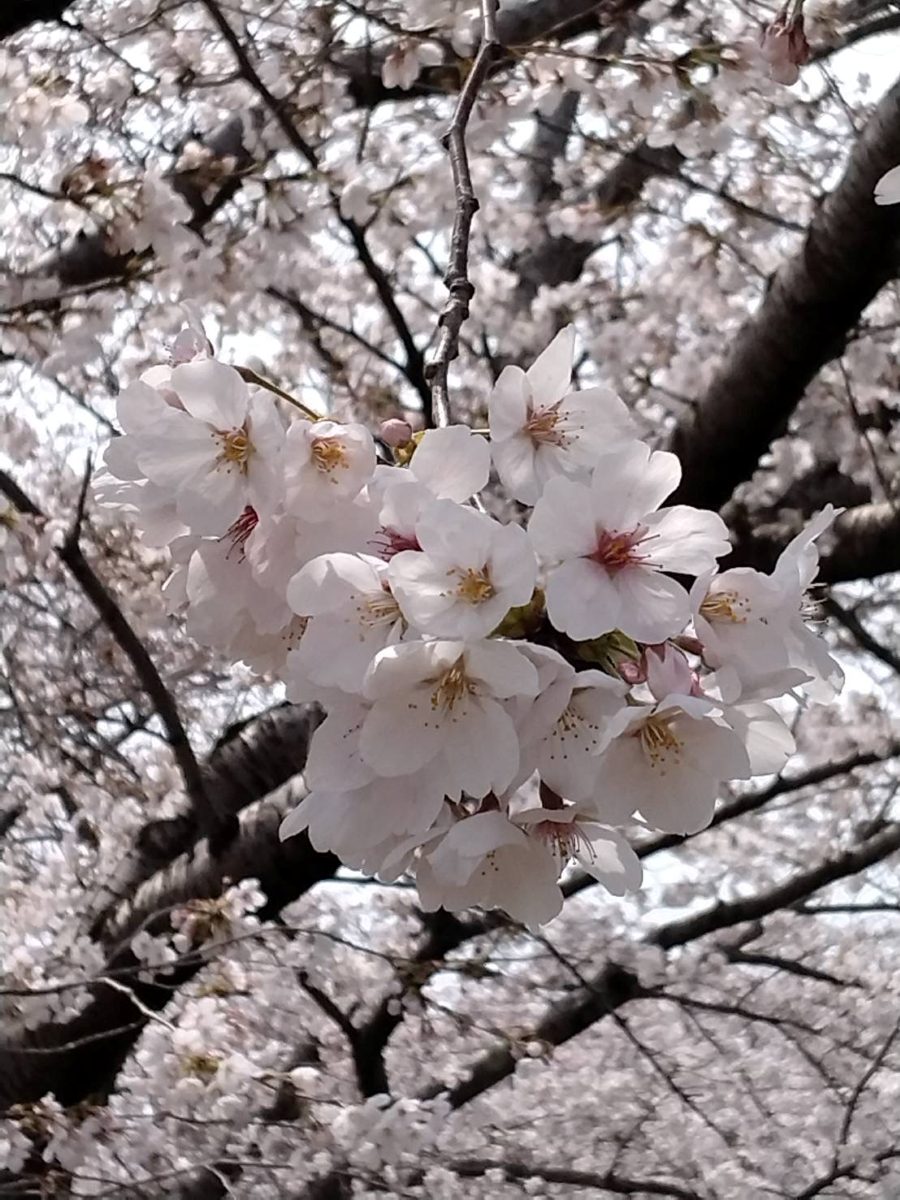
This time, we step away from temples and shrines. Today's subject is Japan's most beloved flower: cherry blossoms (sakura).
But not the cherry blossoms at Yoshino — Japan's most famous sakura destination. And not Yamato-Koriyama, whose castle ruins are one of Japan's Top 100 Cherry Blossom Spots. Instead, I want to take you to the place where Nara's locals come every spring, year after year — a spot that rarely appears in travel guides. That place is the Saho River (佐保川).
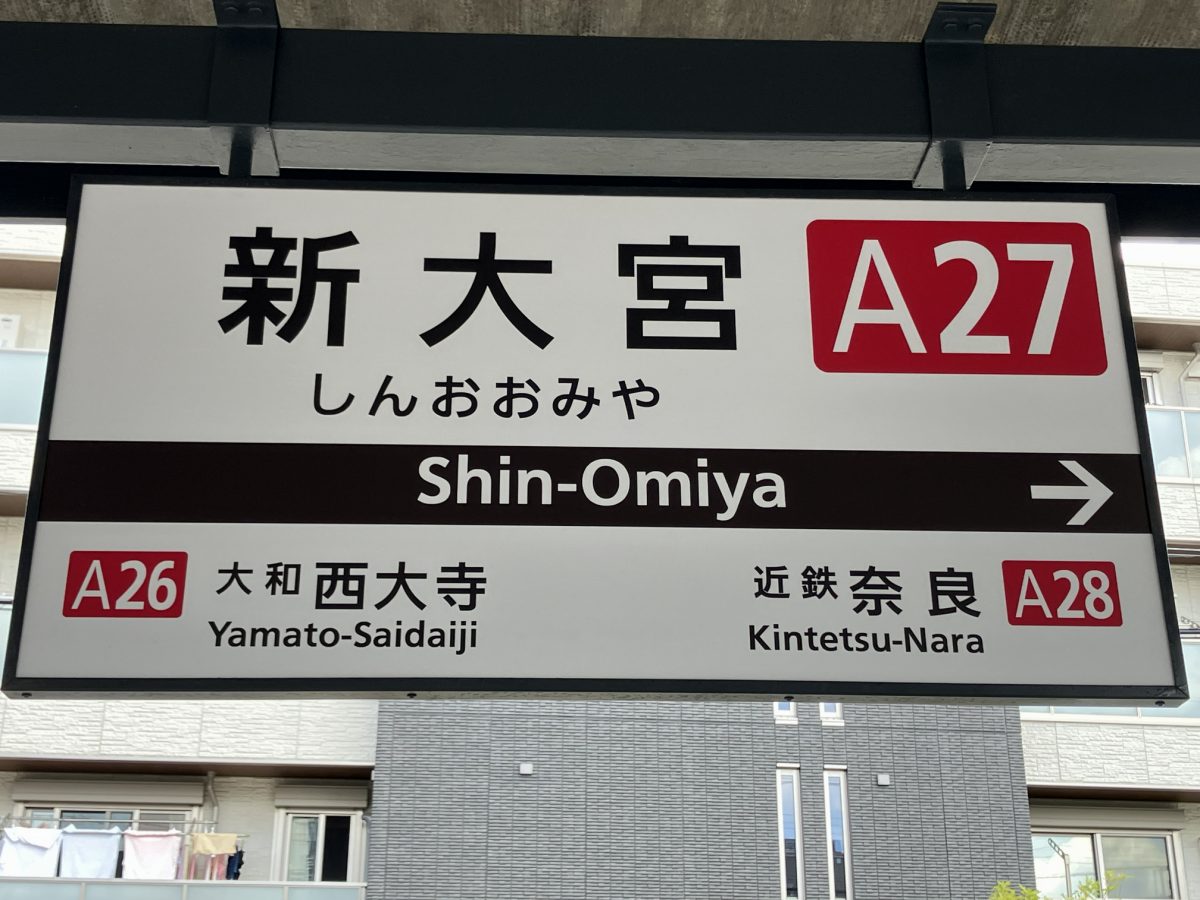
The nearest station is Shin-Omiya Station (A27) on the Kintetsu Nara Line.
This station sits neatly between Yamato-Saidaiji (A26) — featured in our second guide — and Kintetsu-Nara (A28), the starting point for guides three and four.
From Shin-Omiya Station, you can reach the entrance of the sakura road in just 7 minutes on foot (approx. 450 m).
The blossoms usually peak from late March to early April. If you are planning to visit Nara during sakura season next spring, I hope you will add the Saho River to your itinerary. Sit on the riverbank and take your time, just as the locals do — I will walk you through it in the order I walk it myself.
About the Saho River Cherry Blossoms — A Spring Goddess and the Magistrate Who Planted Them
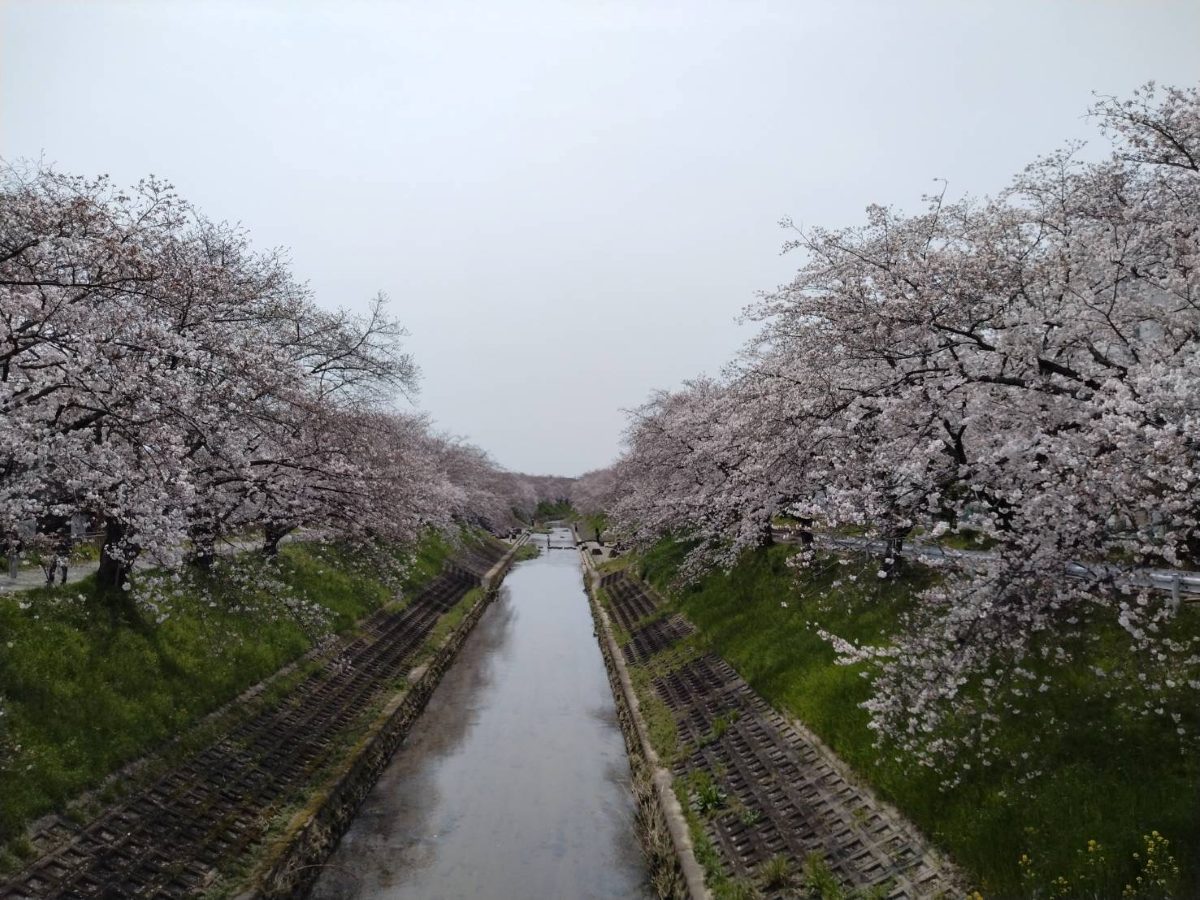
Cherry blossoms appear suddenly in the middle of the city — softening everything around them with their gentle warmth. Their pale pink stretches along the river for a remarkable distance. Which view will become your favourite?
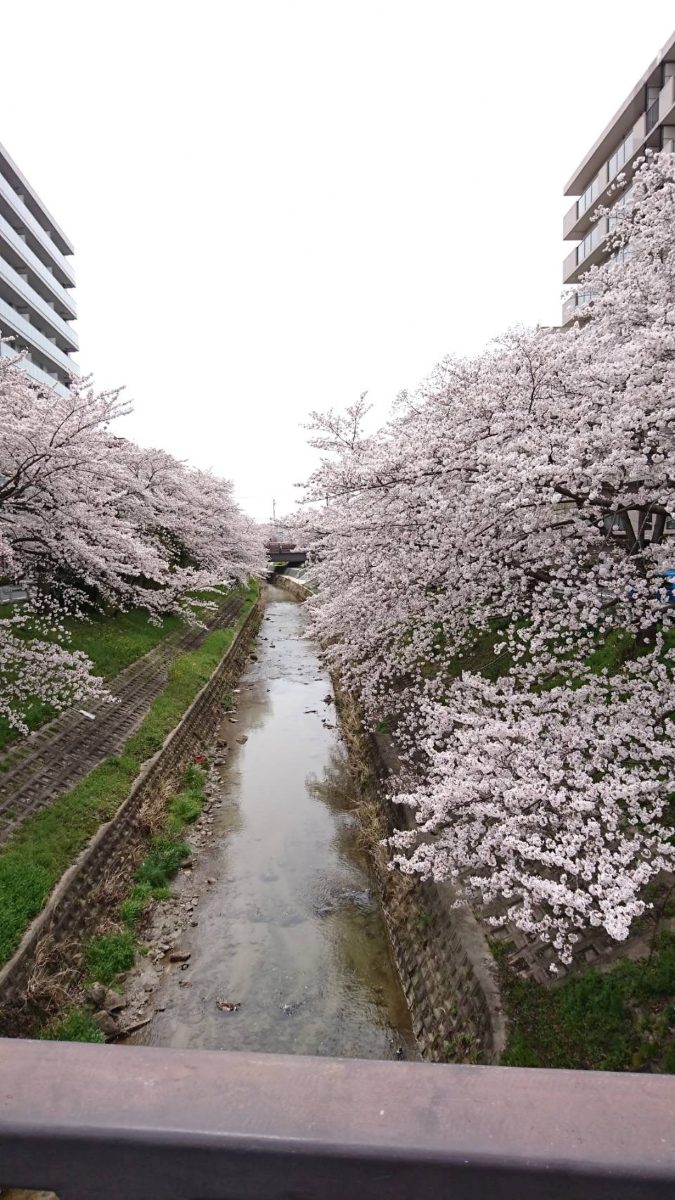
The Saho River rises in the Kasugayama Primeval Forest, flows through the heart of Nara city, and joins the Yamato River in Yamato-Koriyama. It is a Class A river about 19 km long, and cherry trees line its banks for roughly 5 km.
According to the Nara City Tourism Association, the river takes its name from Sahohime, the goddess of spring, who is said to live on Mt. Sahoyama east of the ancient capital Heijo-kyo. When she descends, the cherry blossoms bloom and spring arrives. The river even appears in the Man'yoshu, Japan's oldest anthology of poetry from the 8th century — it has been loved for a very long time.
How the Sakura Road Began — Nara Magistrate Kawaji Toshiakira
These trees had a beginning.
In 1846, an official arrived in Nara from Edo (today's Tokyo) to serve as the city's magistrate: Kawaji Toshiakira. The hill of the old Tamon Castle site had been stripped bare by over-cutting, and Kawaji had some five hundred thousand trees planted there. Around Todai-ji and Kofuku-ji, he had several thousand saplings of cherry and maple planted, and he called on the townspeople to plant alongside him. The planting is said to have spread as far as the Takamado and Saho districts.
The cherry trees along the Saho River that grew from this beginning are known today as the "Kawaji Sakura". In 1850, a stone was raised to mark the planting — the Monument of the Planting of Cherry and Maple — and it still stands beside the fifty-two steps on the north side of Sarusawa Pond. The following year, Kawaji was transferred to Osaka and left Nara.
Where are the old Kawaji Sakura trees?
According to the Nara City Tourism Association, five Somei-yoshino trees from Kawaji's time — around 170 to 180 years old — still stand today, thanks to the efforts of local residents. They are on the upstream section, between Daibutsu Railway Memorial Park (about 10 minutes on foot from Kintetsu-Nara Station) and the northeast side of Shin-Omiya Station.
The walk in this guide follows the trees that continue south from the west side of Shin-Omiya Station. If you would also like to see the old trees, allow extra time and walk the upstream section as well.
The man who planted them can never see the trees as they are today. And still, the cherry blossoms bloom every year. I also wrote about him in Today's Wisdom: "Give, Seeking Nothing in Return".
Access — Basic Information
Shin-Omiya Station → Saho River Sakura (Southwest of Shin-Omiya)
· Shortest distance: approx. 450 m
· Walking time: approx. 7 minutes
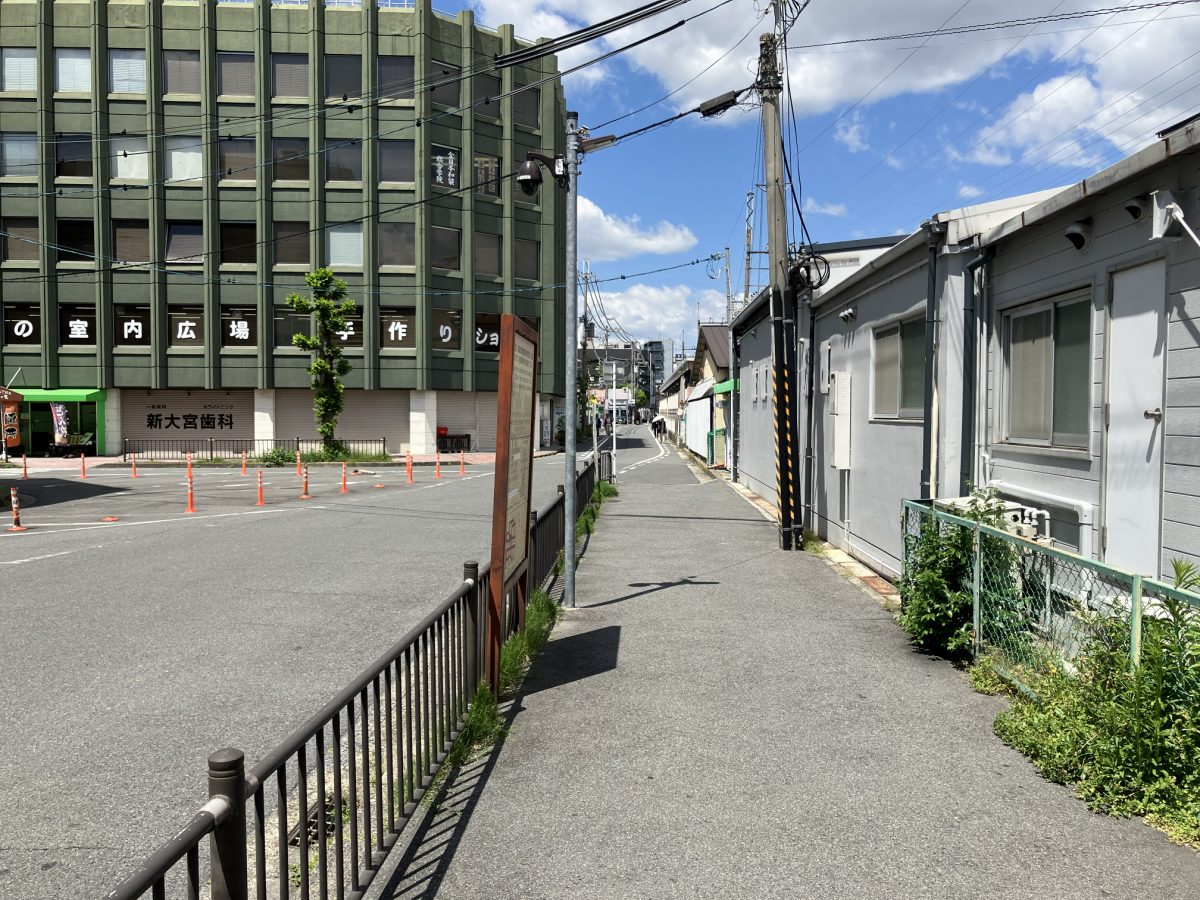
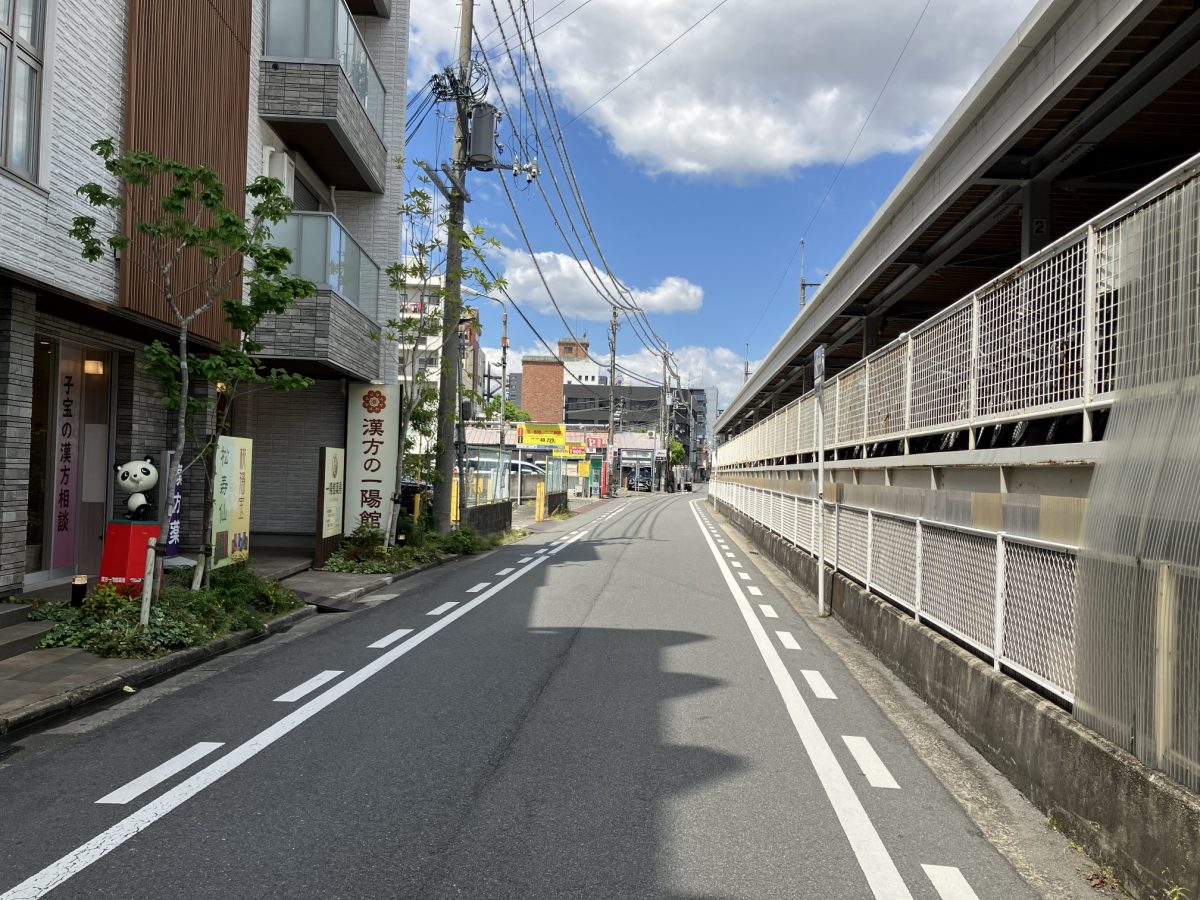
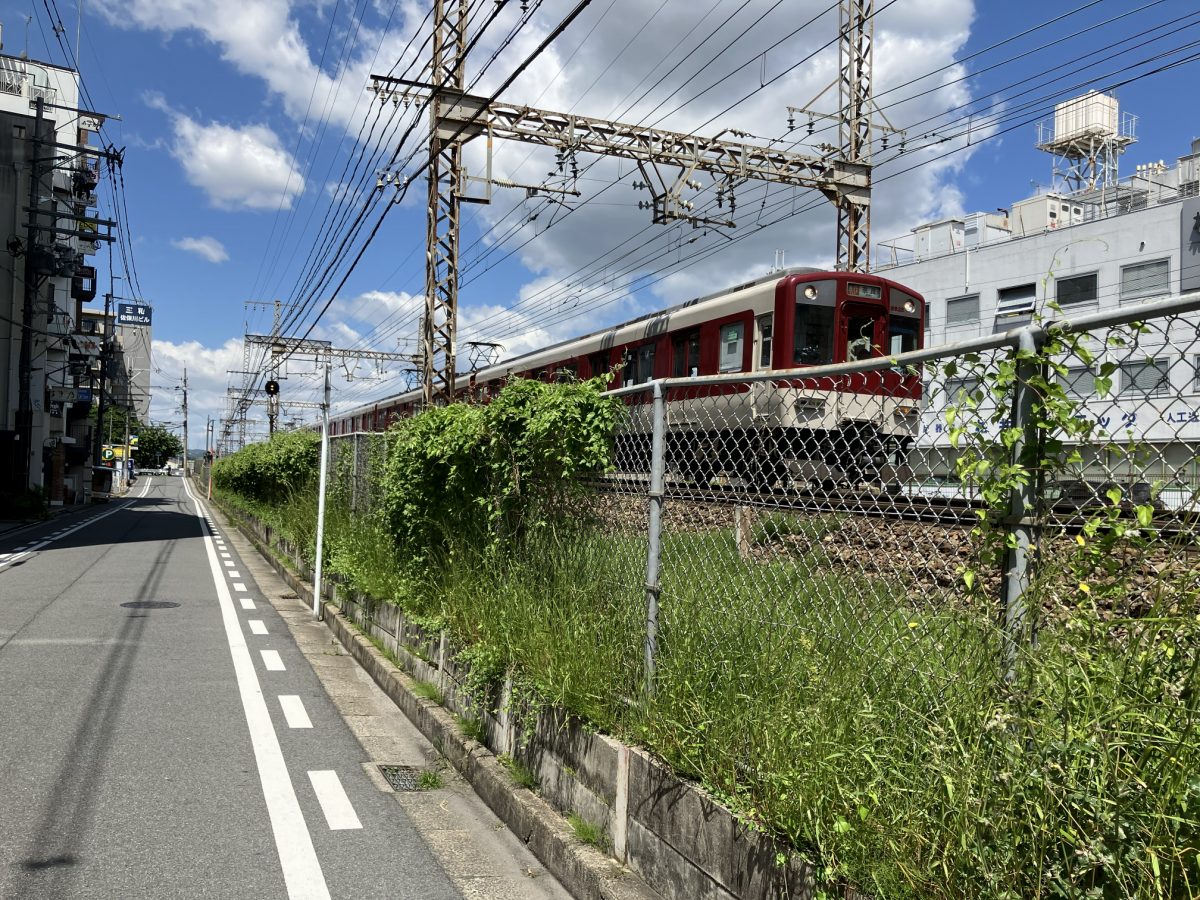
· Route notes: Follow the Kintetsu Nara Line tracks heading west — the sakura road is right there.
Getting to Saho River Cherry Blossoms from Shin-Omiya Station
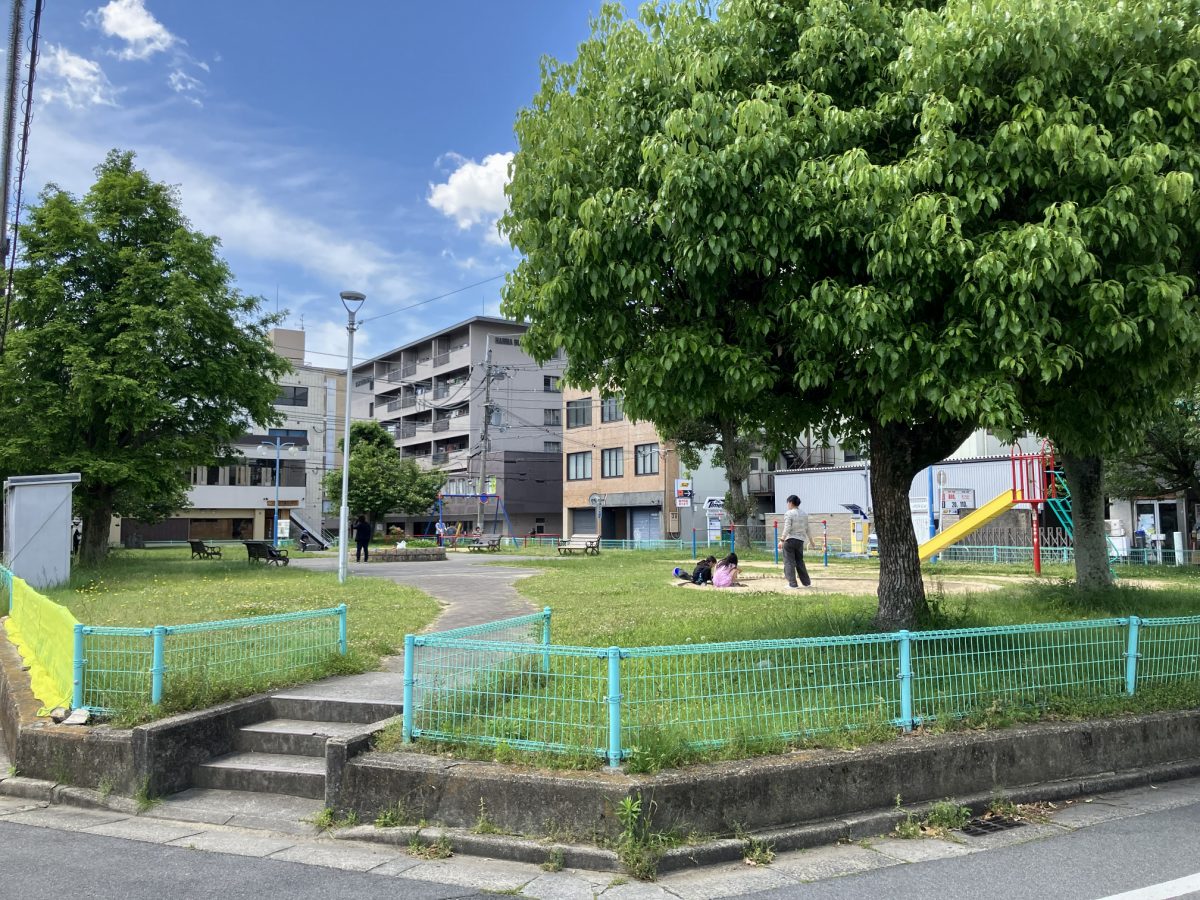
The first few steps differ depending on which direction you are coming from.
If coming from Yamato-Saidaiji direction:
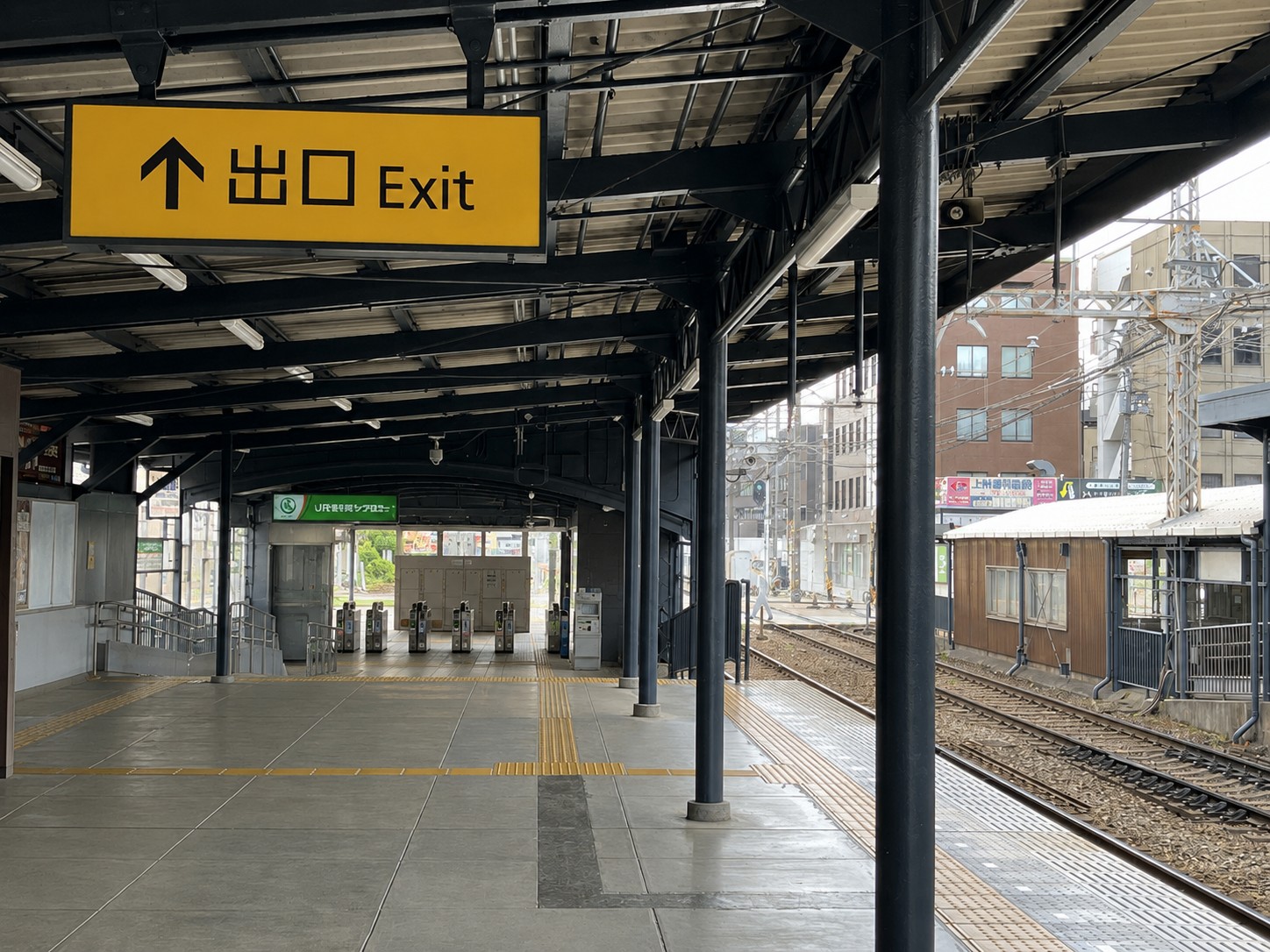
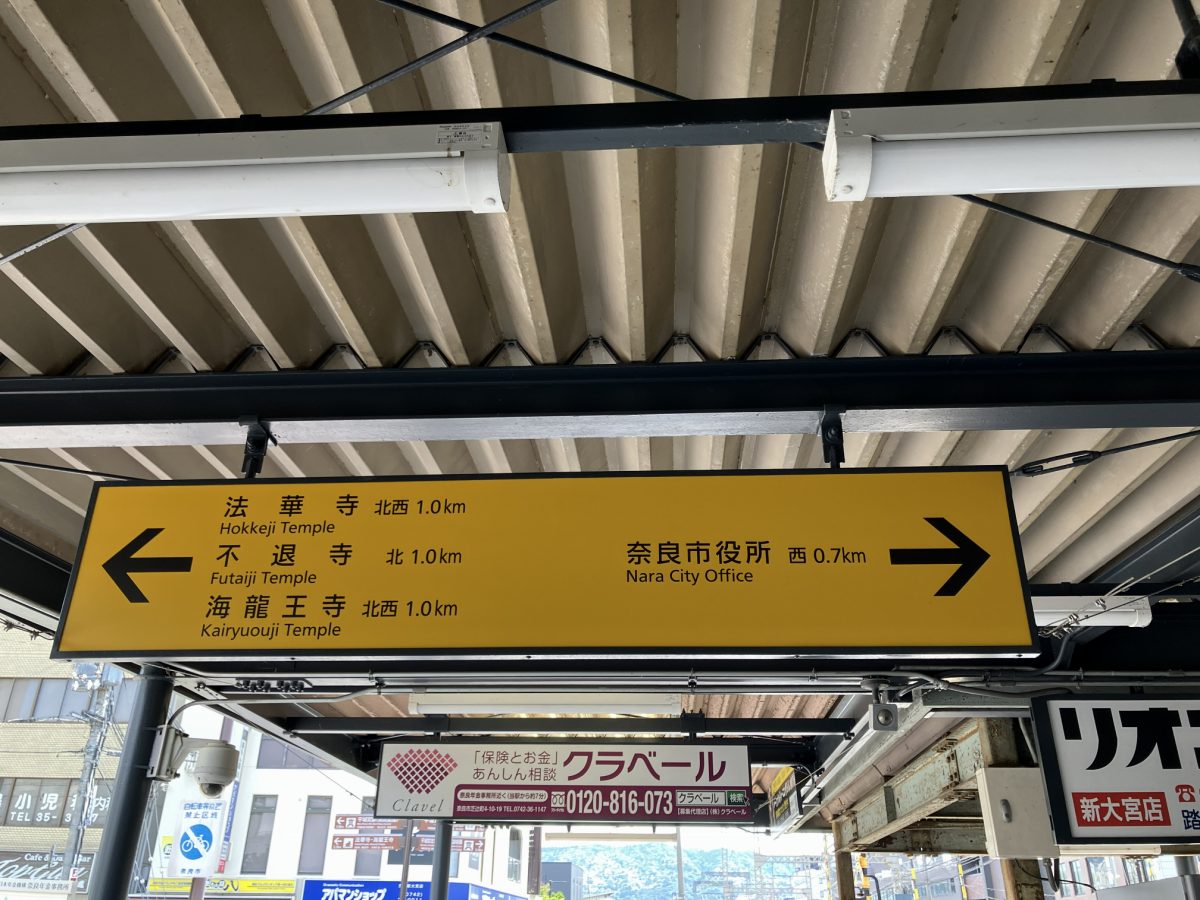
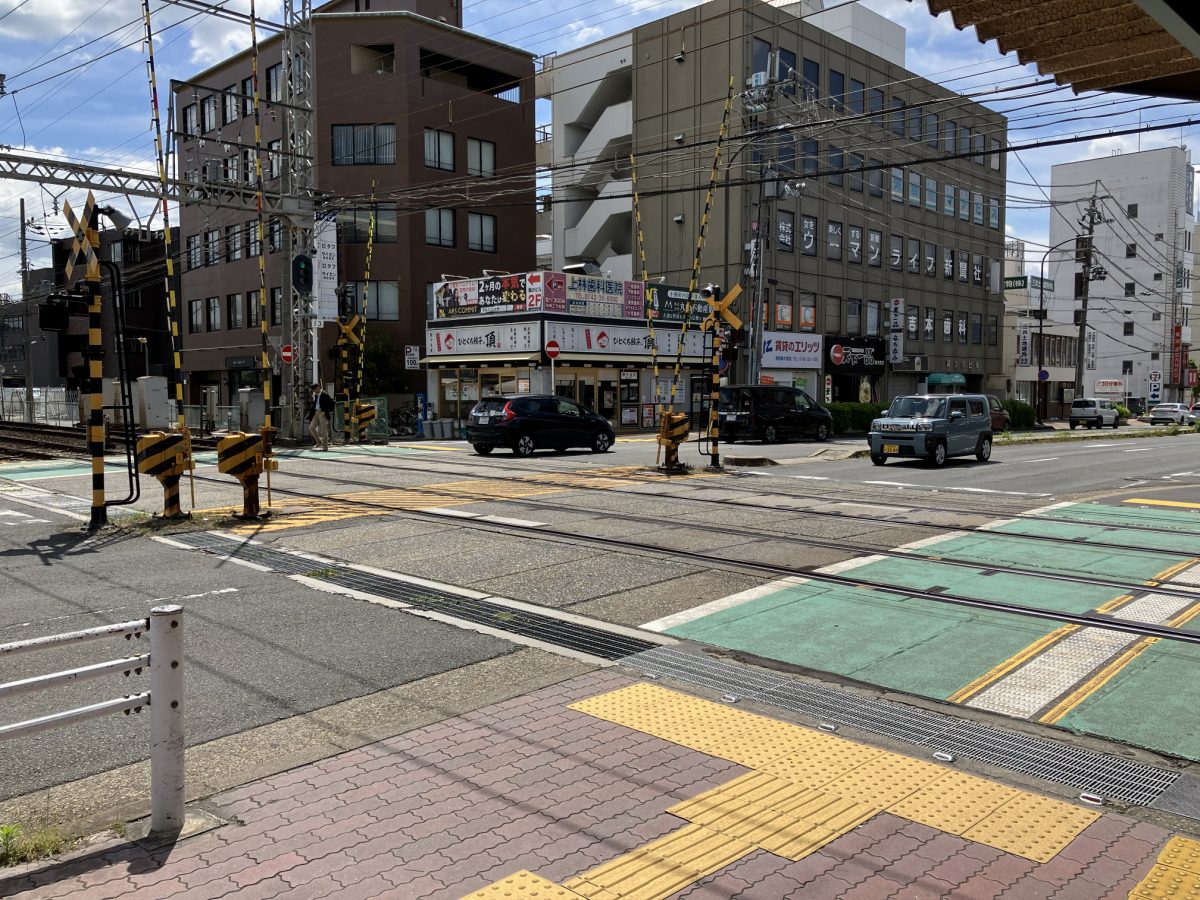
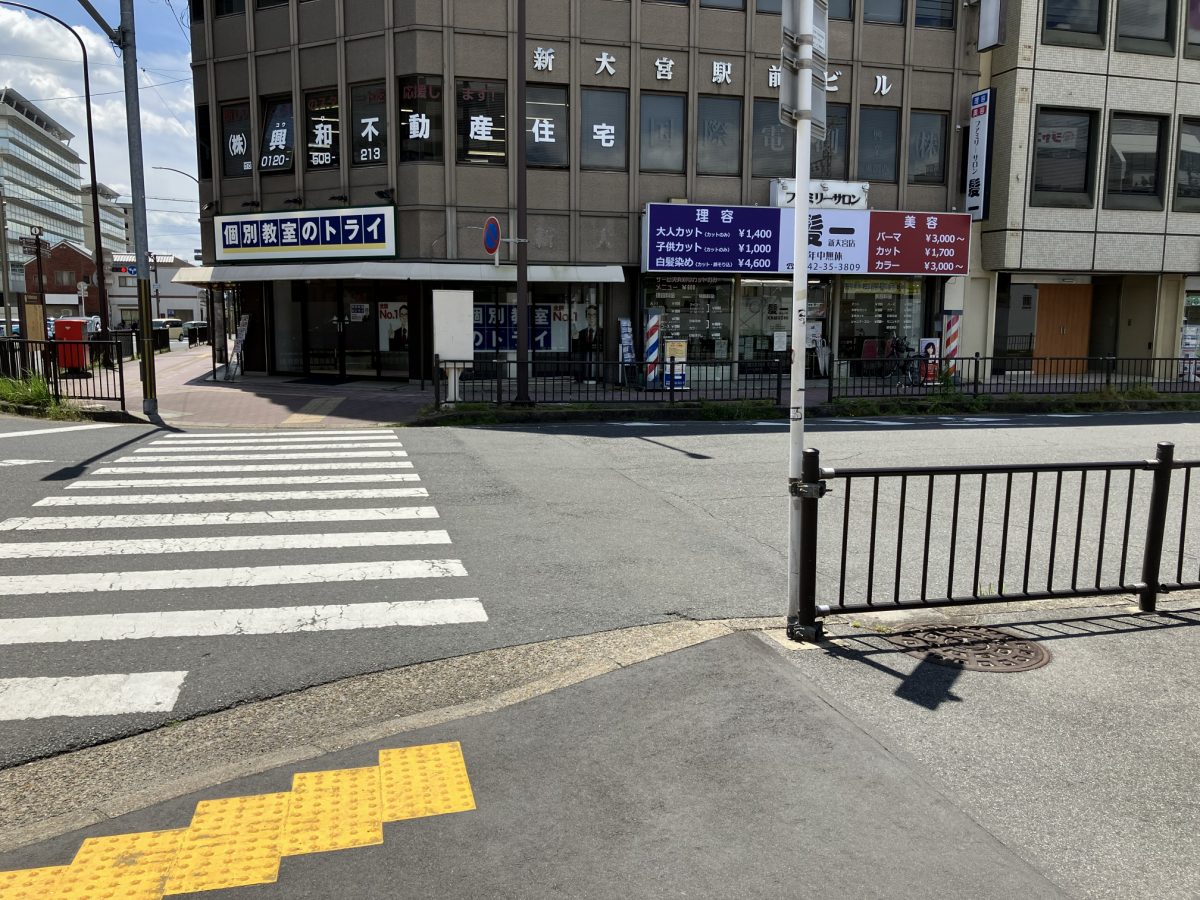
If coming from Kintetsu-Nara direction:
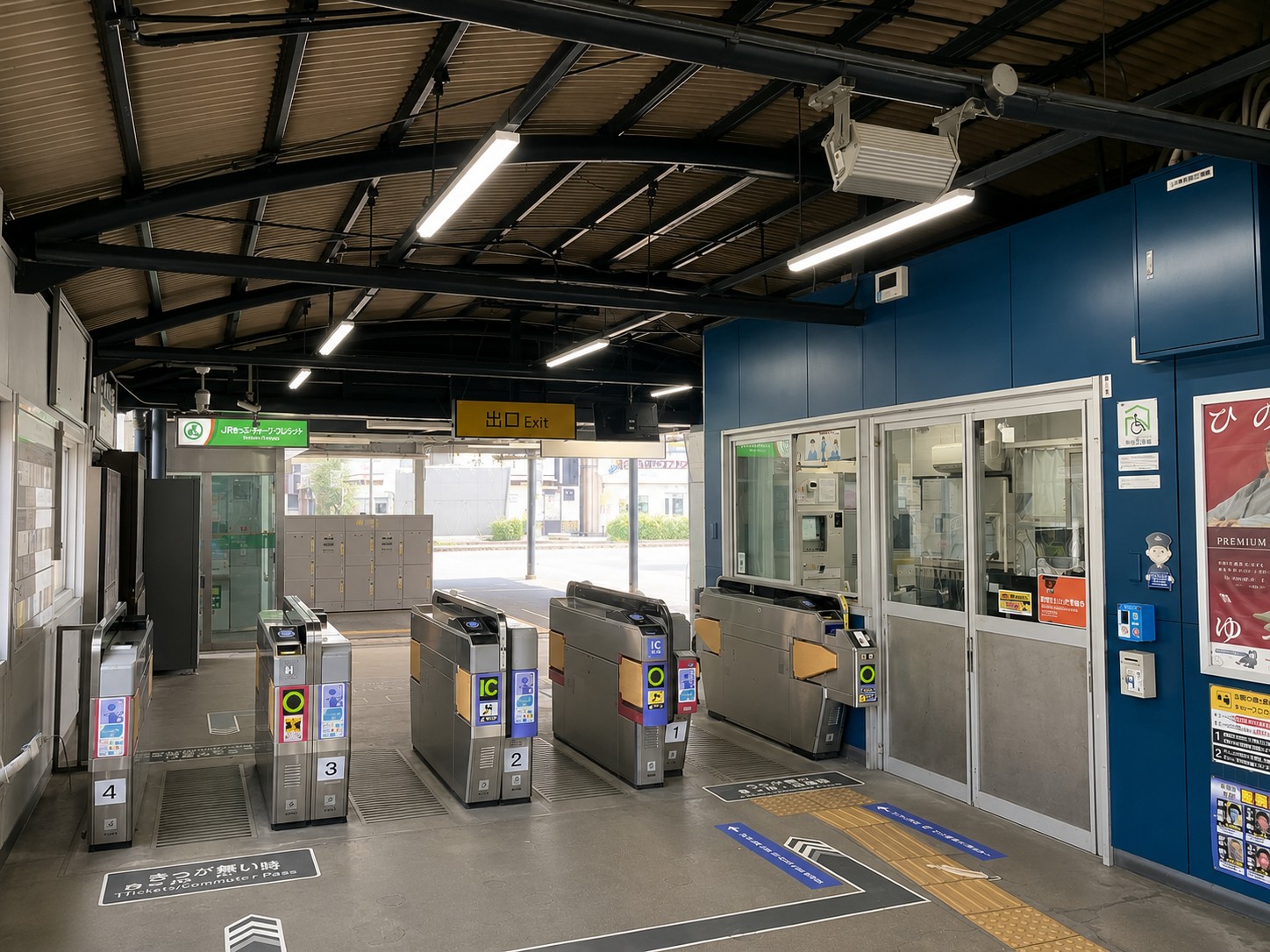
From here, the route is the same for everyone.
Walking the Sakura Road — South from the Railway Bridge to the Library
From the railway bridge where you arrived, walk south along the river. I always walk as far as the Nara Prefectural Library and Information Center and then turn back — about 1.2 km each way. I stop often to take photos of the blossoms on my phone, and take my time.
A Tunnel of Blossoms on Both Banks
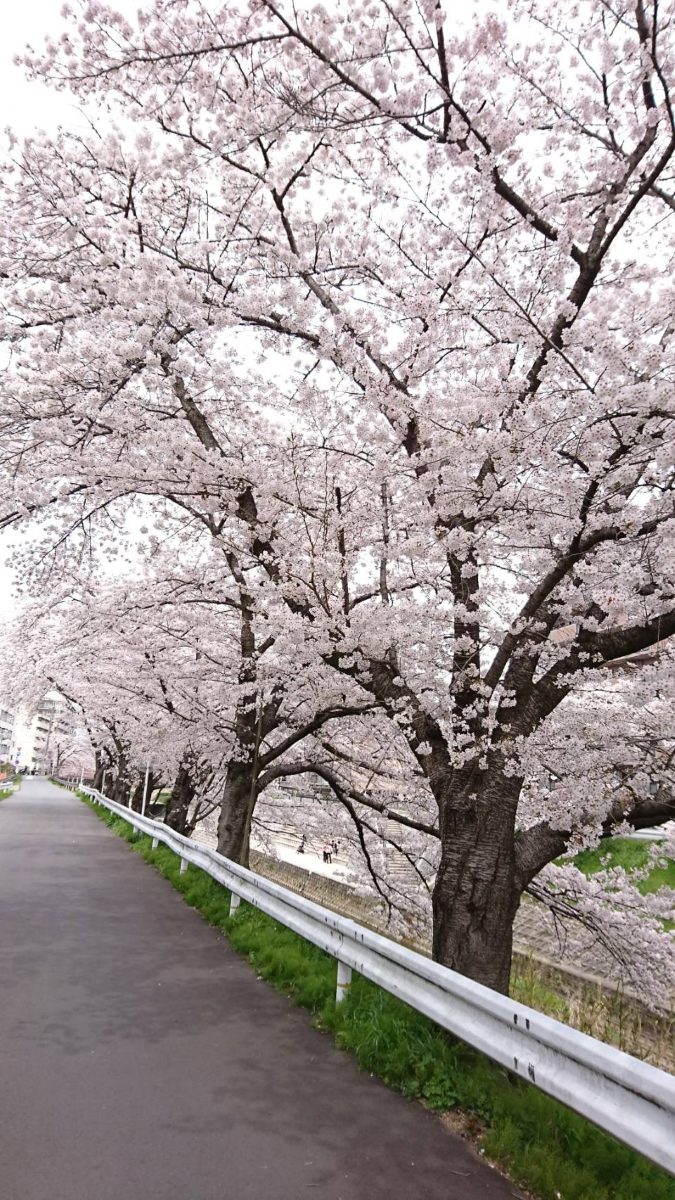
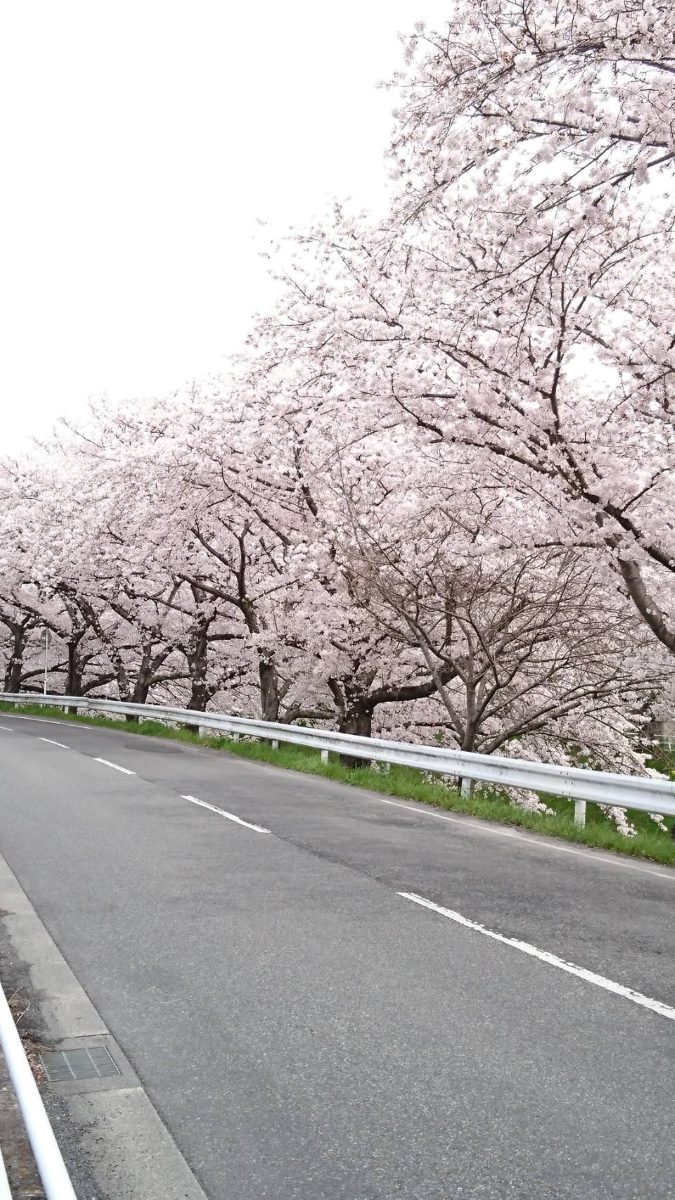
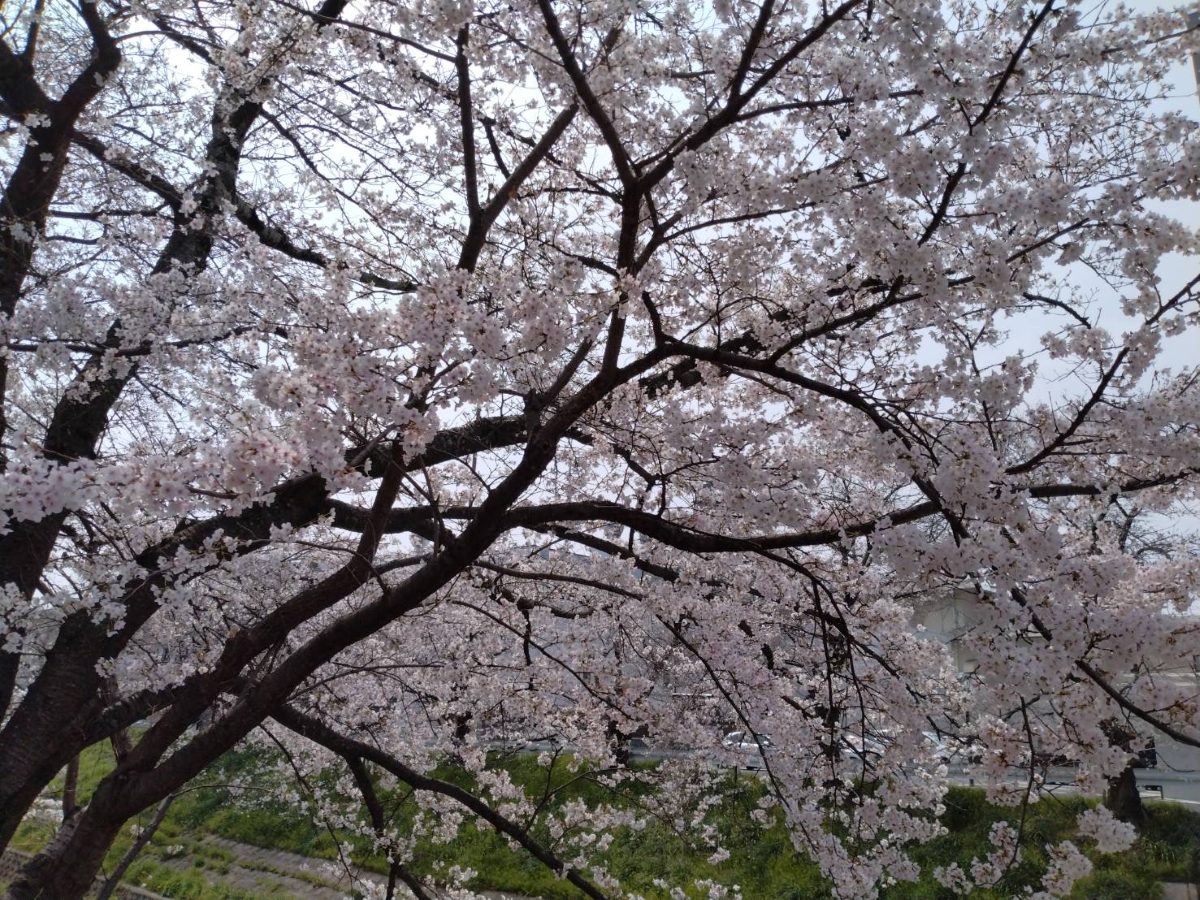
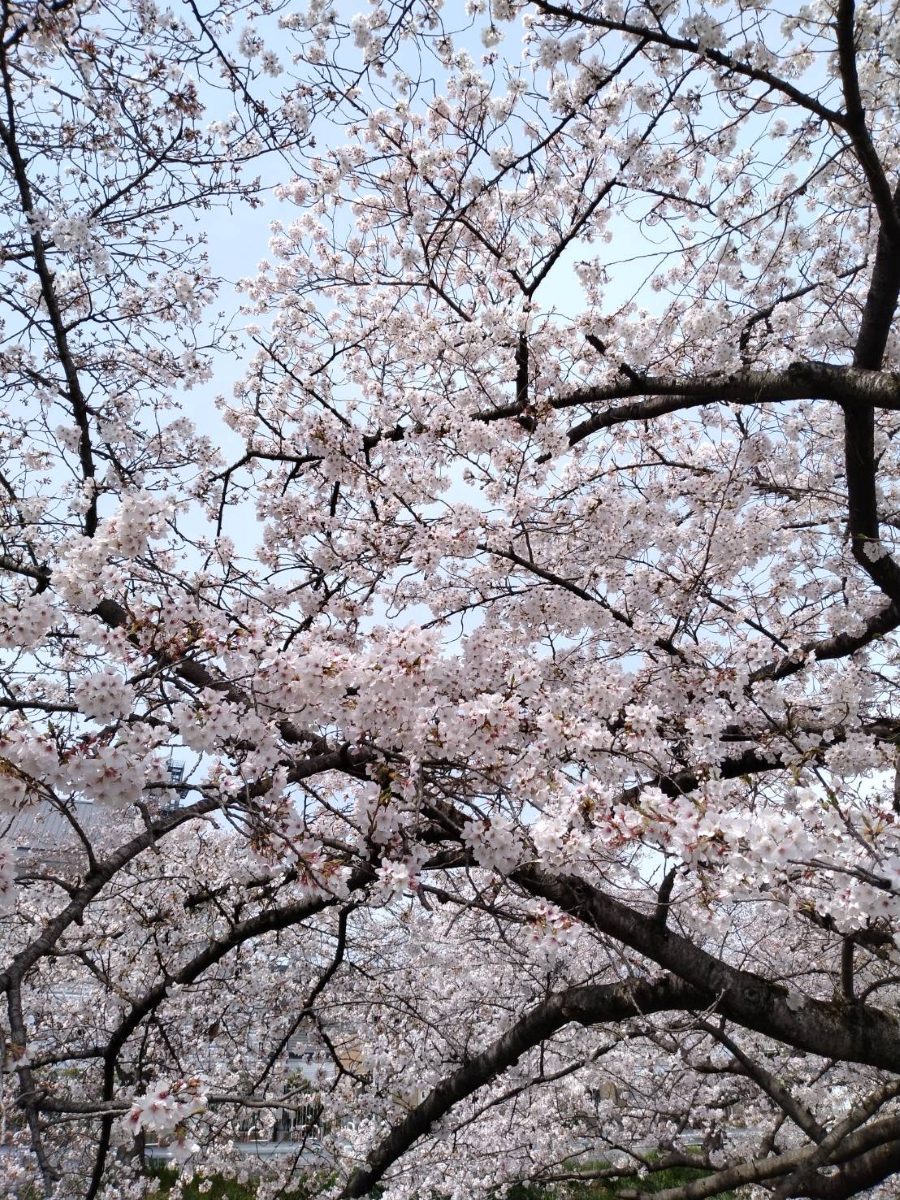
During cherry blossom season, local residents spread out picnic mats, share lunch under the trees, or simply doze off in the warmth beneath the blossoms, each spending the time in their own way.
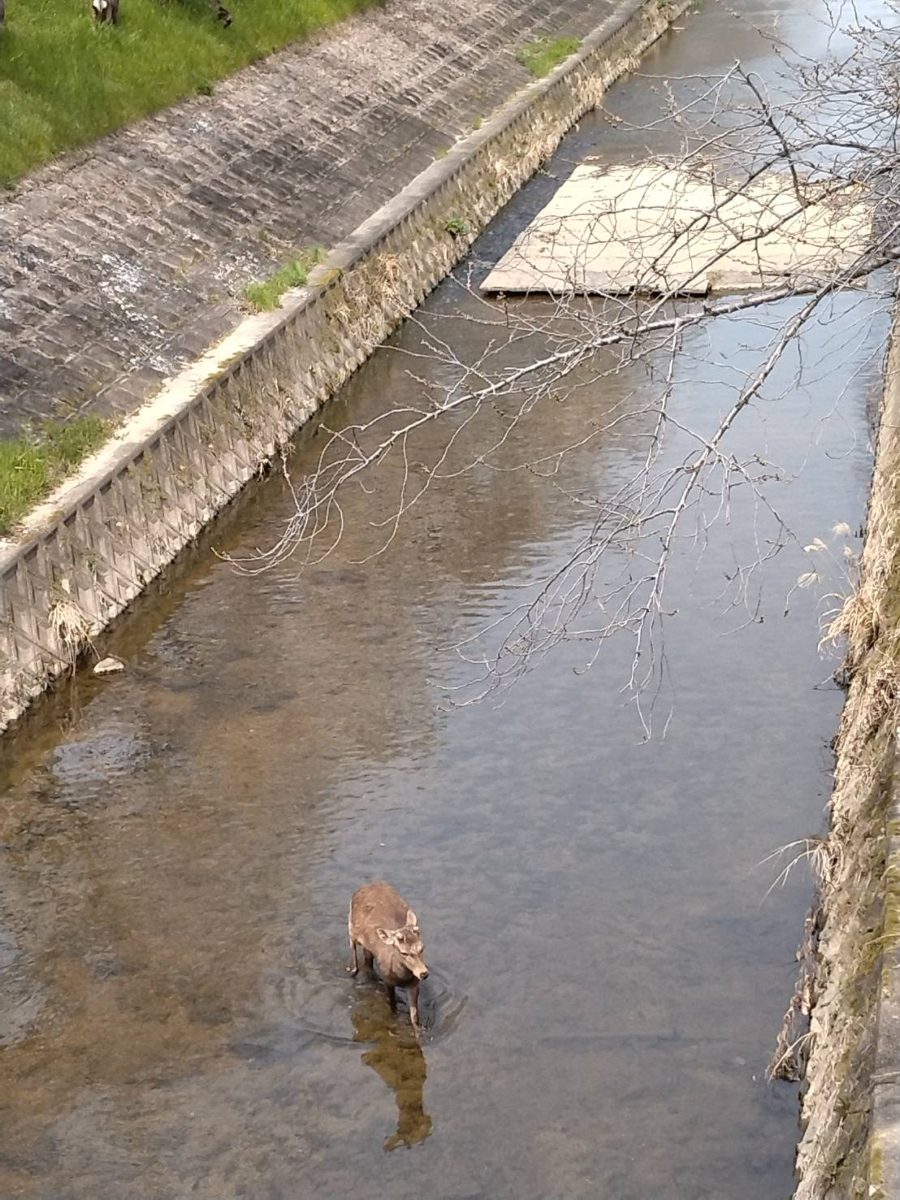
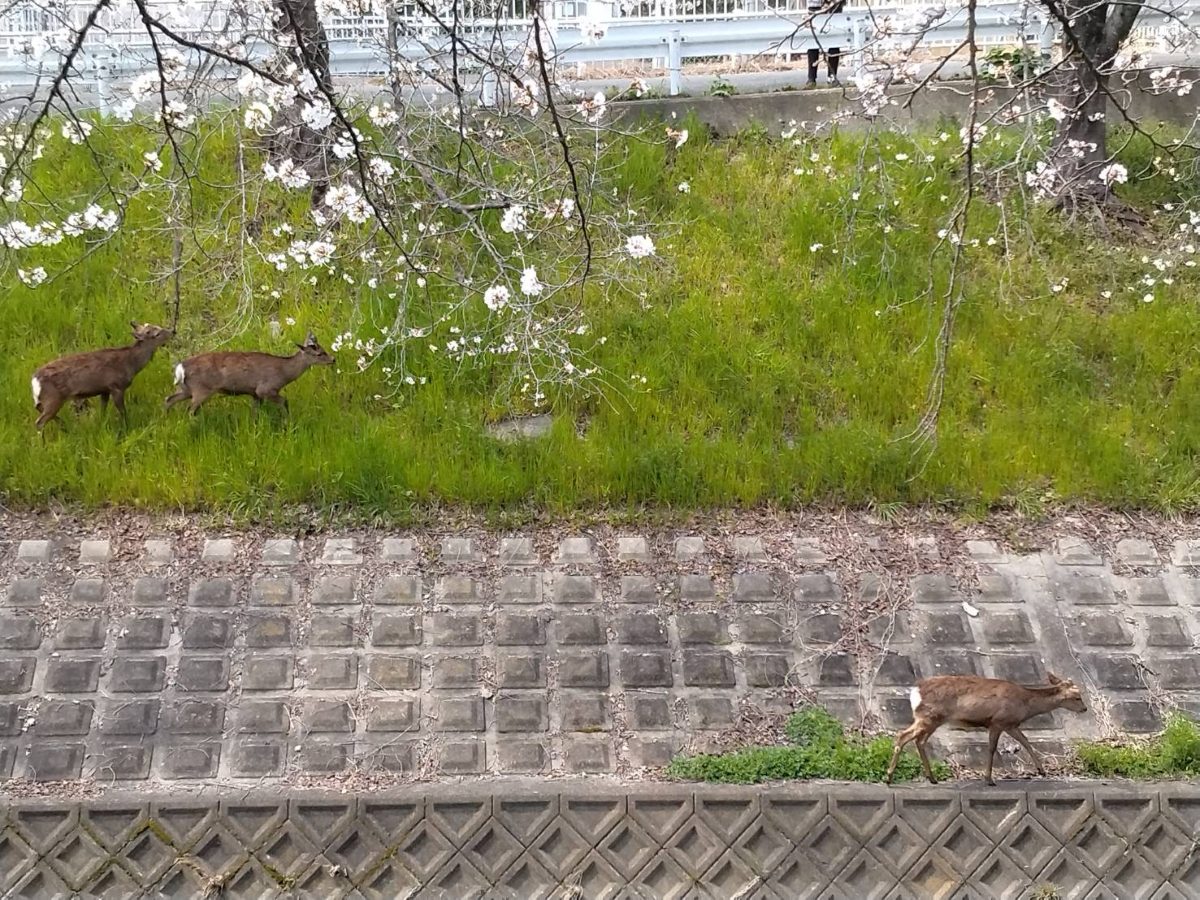
And occasionally — a very Nara kind of surprise awaits you: deer, which are rarely seen in this area.
A Place to Take a Break — Hotels, a Bookstore and More
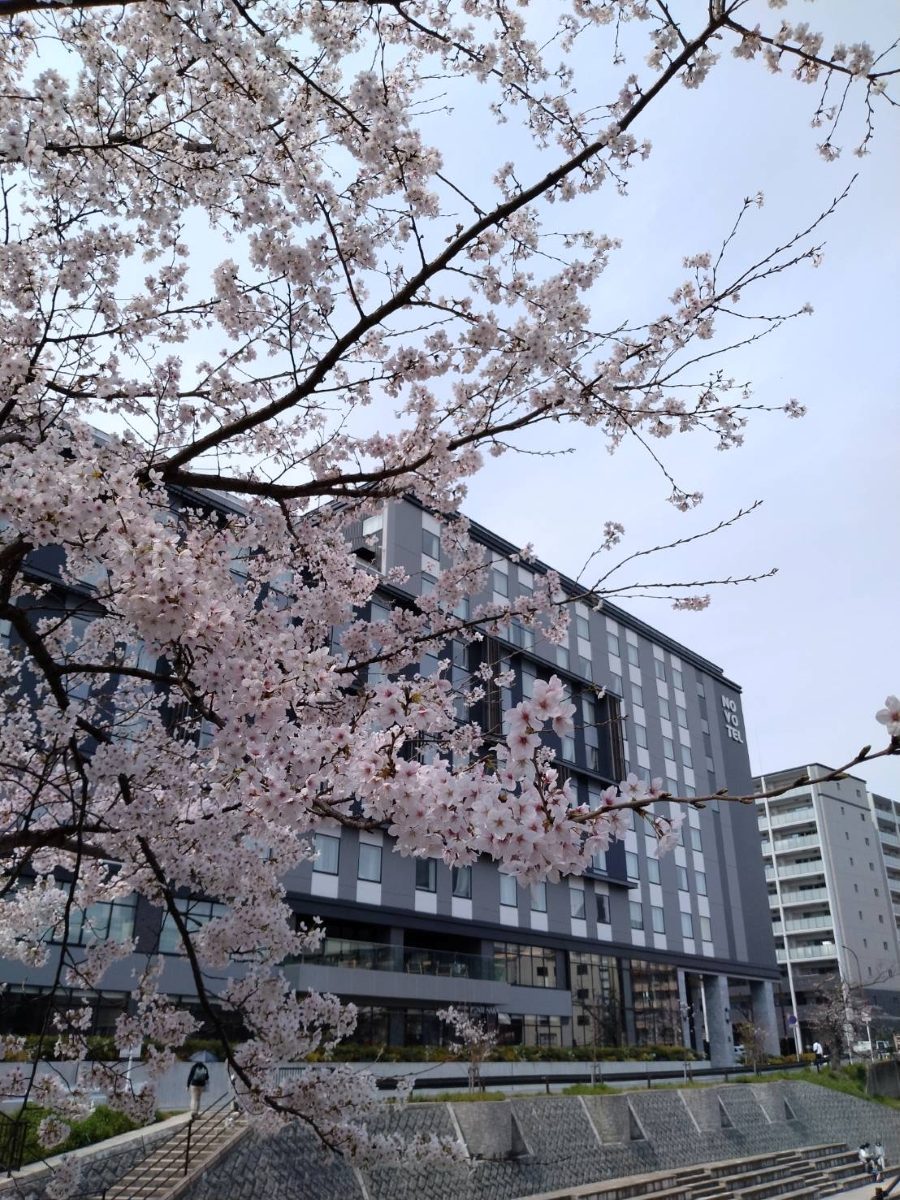
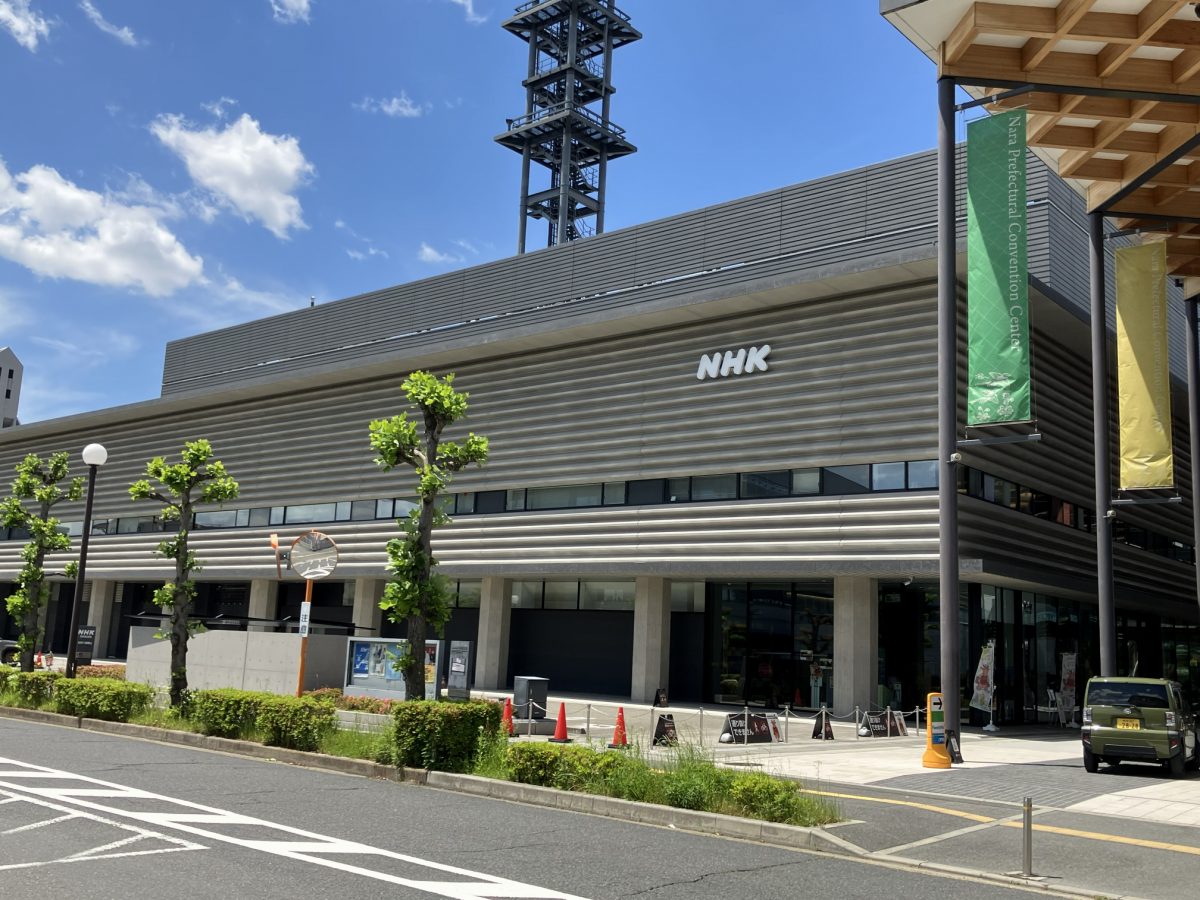
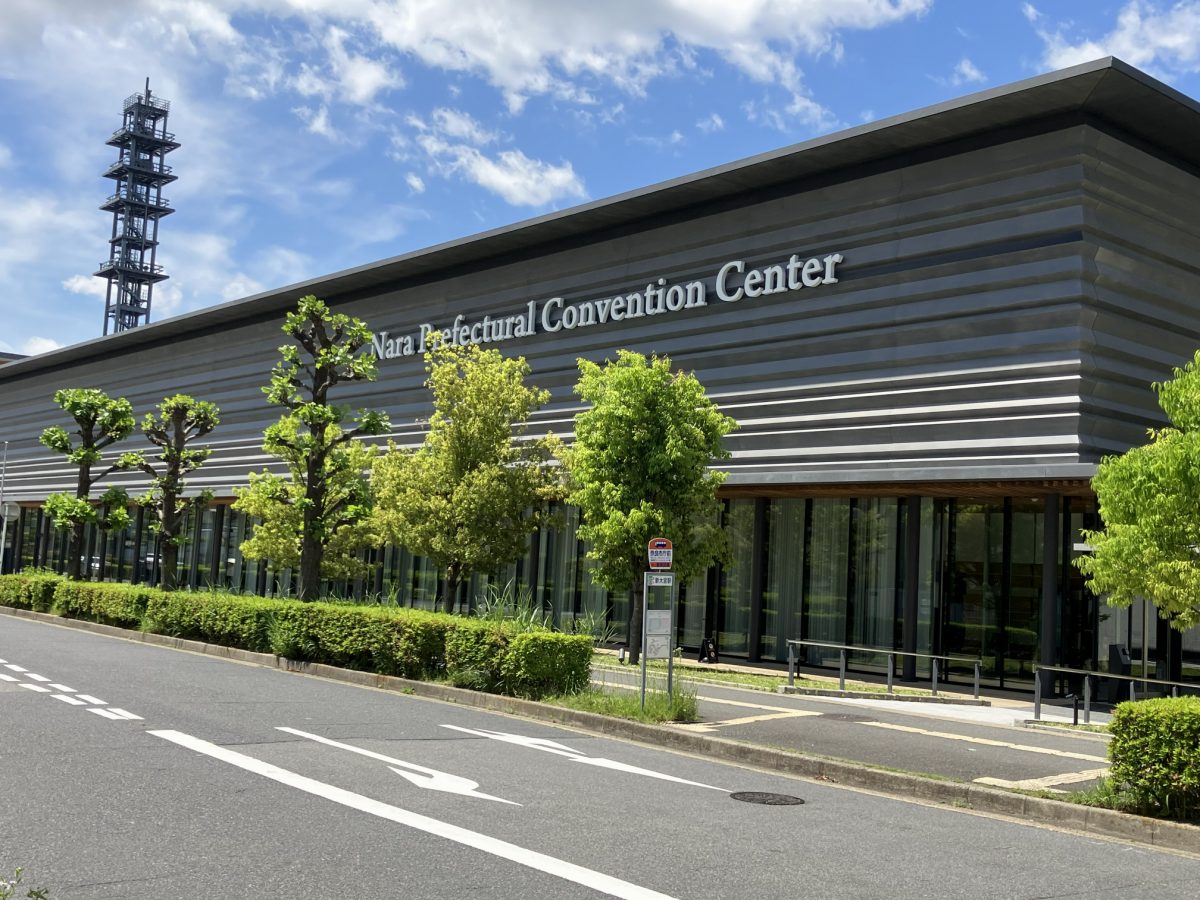
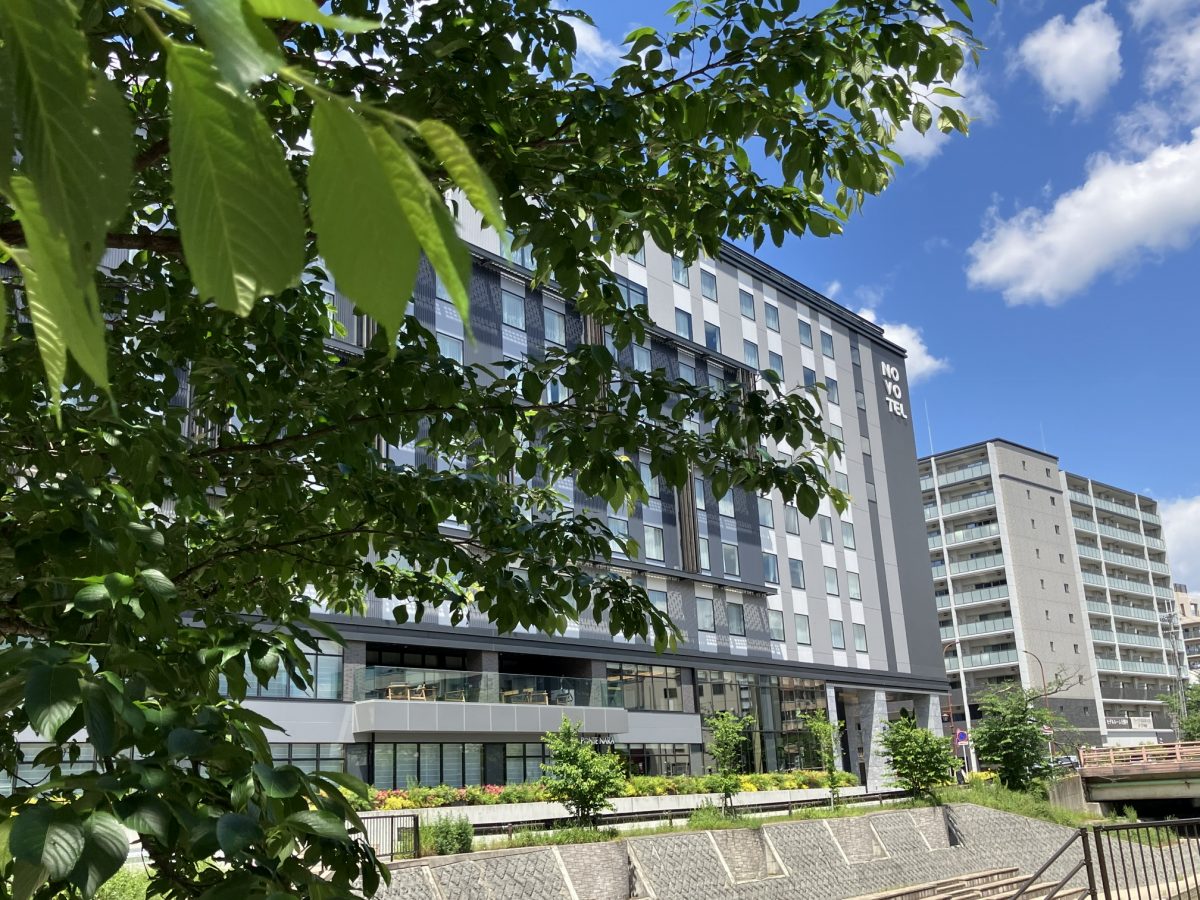
Soon after you start walking from the bridge, on the west side of the river (between Omiya-dori and Sanjo-dori), there is a cluster of buildings: the Novotel Nara, the JW Marriott Hotel Nara, the Nara Prefectural Convention Center, Nara Tsutaya Books and the NHK Nara Broadcasting Station. Nara City Hall is a little further on.
In other words — these cherry blossoms bloom right in the very heart of Nara city, the prefectural capital. Come back to this area and you will find plenty of places for tea or a rest.

A Spot to Step Down to the Riverbank — Past Mikasa Junior High School
About 10 minutes' walk from the bridge, just past Nara City Mikasa Junior High School, there is a place where you can step down to the riverbank. There are stepping blocks for crossing the river, and space on the bank to spread out a picnic mat.
Many local people spend their time here, each in their own way. Sitting here, watching them while I eat the onigiri (rice balls) I bought beforehand, is something I look forward to every year.
Nara Prefectural Library and Information Center — Where I Turn Back
About 400 m further on is the Nara Prefectural Library and Information Center. The Nara City Tourism Association describes it as a cherry blossom spot busy with local residents, and this is usually where I turn back. The cherry trees continue beyond it, and in the past I have walked further.
There is a place to have lunch inside the library, but it is not large, so I recommend bringing something with you.
Key Information — Best Time, Festival, Time Needed
| Best time | Usually late March to early April (varies with each year's weather) |
|---|---|
| Cherry trees | About 1,000 trees along roughly 5 km of the Saho River |
| Section in this guide | Railway bridge west of Kintetsu Shin-Omiya Station → south → Nara Prefectural Library and Information Center (about 1.2 km one way) |
| Kawaji Sakura (old trees) | Five Somei-yoshino trees, around 170–180 years old, between Daibutsu Railway Memorial Park and the northeast side of Shin-Omiya Station (upstream) |
| Festival | 31st Saho River Kawaji Sakura Festival: March 27 (Sat) – April 4 (Sun), 2027 |
| Night lighting | During the festival, paper lanterns are lit from dusk until 8:00 p.m. (The floating lanterns and flower rafts are cancelled due to construction work.) |
| Admission | Free (you simply walk along the river) |
| Time needed | About 1.5 hours to walk from the bridge to the library and back, with breaks |
| Nearest station | About 7 minutes on foot from Shin-Omiya Station on the Kintetsu Nara Line (step-by-step directions with photos) Rapid Express, Express, Semi-Express, Section Semi-Express and Local trains stop here (Limited Express trains do not) |
| Library | Open 9:00 a.m.–8:00 p.m. (please check closing days on the library's official calendar) |
Confirmed in October 2026 with the Nara City Tourism Association, the Kintetsu station timetable and the official website of the Nara Prefectural Library and Information Center, among others. The time estimate is my own, as a Nara local. Please check the latest information before you go.
How to Enjoy It — On Weekends, Go in the Morning
I visit the Saho River cherry blossoms every year between the end of March and early April, mostly at weekends. My recommendation is to go in the morning. It is relatively quiet compared with the afternoon, when it gets busier, and the fresh morning air makes it all the more pleasant.
If you are staying at one of the nearby hotels, enjoy a leisurely breakfast at your hotel and then walk over — you should arrive at just the right time. After your stroll, head back to the cluster of buildings I mentioned for tea or a rest, or pick up onigiri or a bento at a convenience store and eat it on the riverbank while you look at the blossoms.
Personally, I like to buy slightly fancier onigiri at a local onigiri shop and bring them along. They cost a little more than convenience store ones, but they are worth it.
One request: to keep Nara beautiful, please take your rubbish home with you.
Watching the sunset and the blossoms near the hotels at dusk is another, more grown-up way to enjoy it. And if you have time, there are lovely cherry blossoms further west at the Heijo Palace Site (No.009), too.
🏨 Staying Overnight in Nara?
The two riverside hotels mentioned in this guide can be booked on Klook.
Ad
If you would like to stay in Nara during sakura season and walk out to see the morning blossoms, you can search for and book hotels and ryokan (Japanese inns) on Klook. Below are some of the places to stay in Nara listed on Klook (they may not be the hotels mentioned in this guide).
Ad
Seasonal Highlights — Spring Blossoms, Fresh Green in May
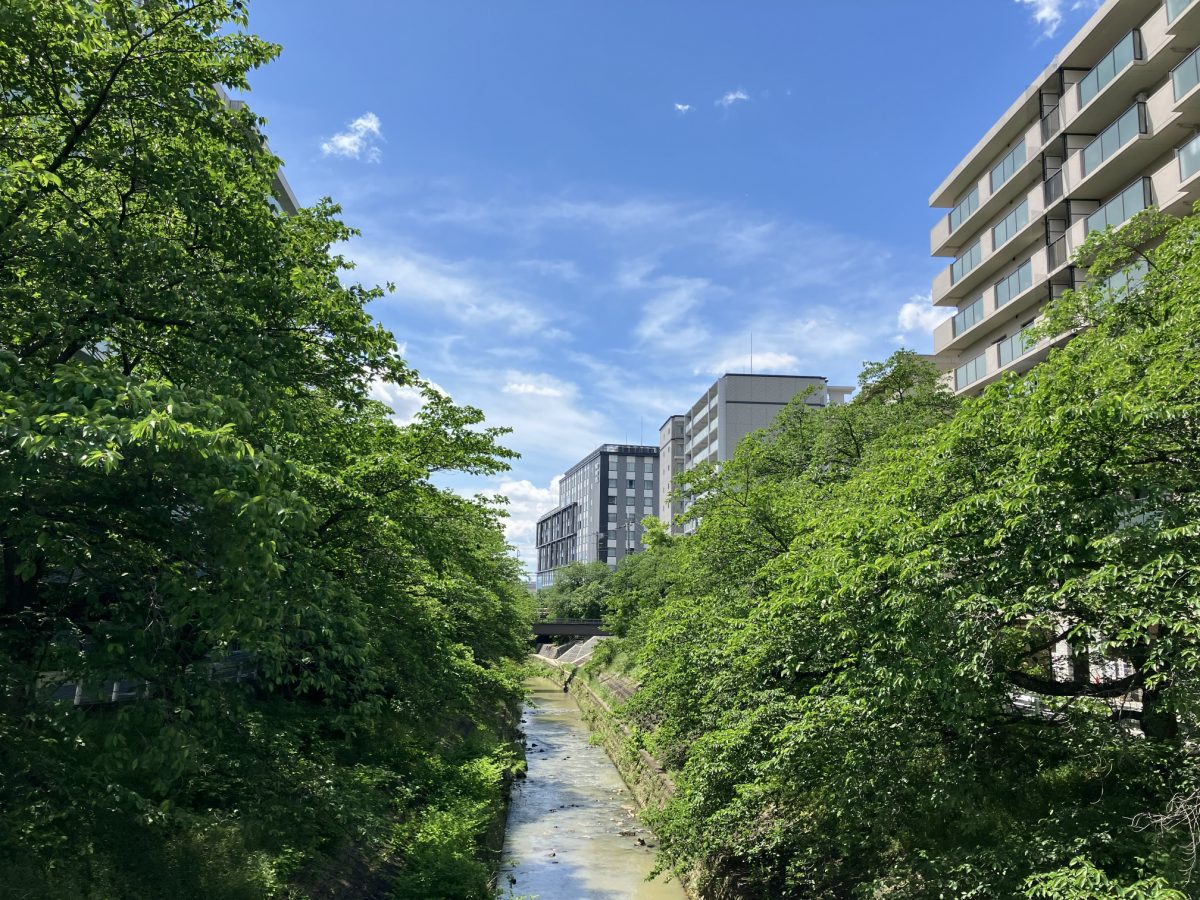
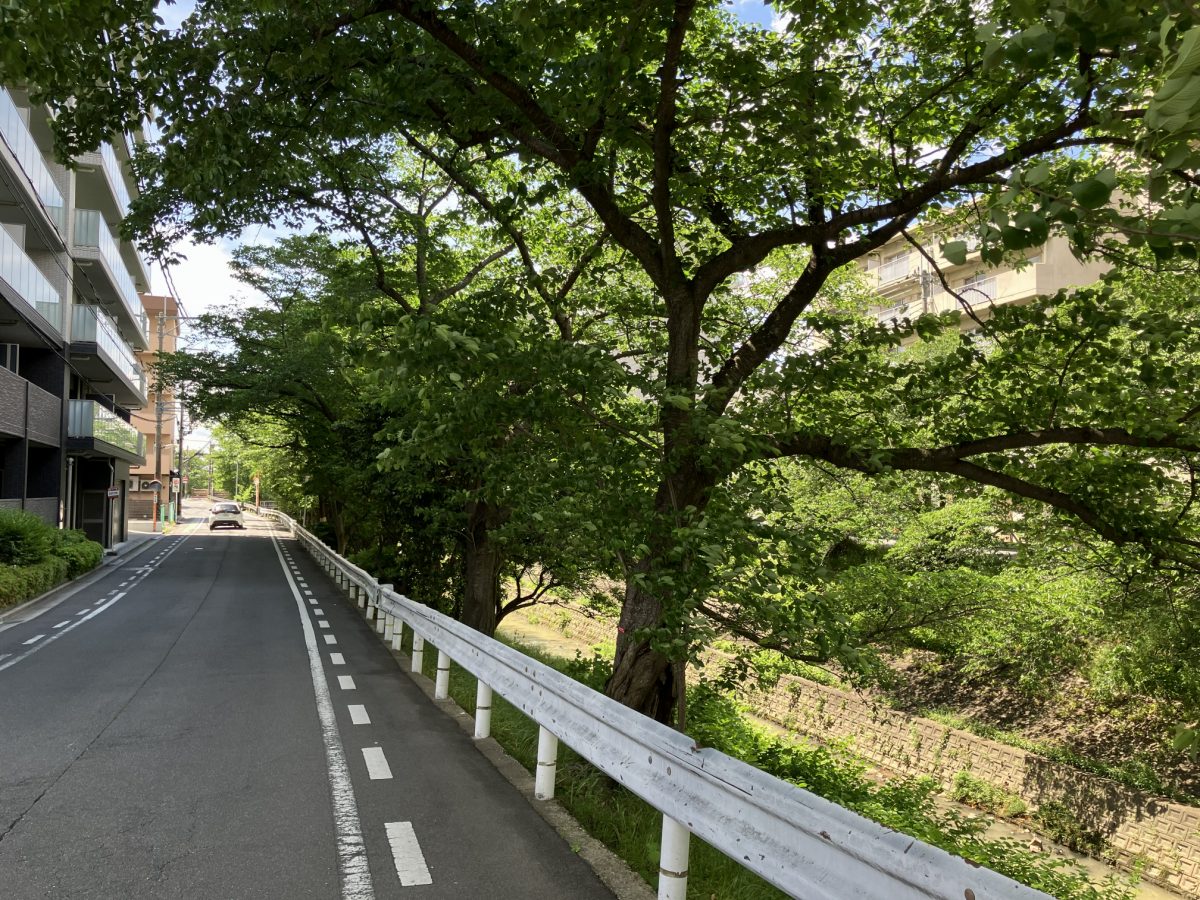
Even after the blossoms have gone, the Saho River is a lovely place for a walk. In early May, the blue sky and fresh green leaves are a joy of their own. And according to the festival information, the river also has Gyoiko, a cherry tree with green blossoms.
Frequently Asked Questions
When is the best time to see the Saho River cherry blossoms?
Usually from late March to early April. The timing varies with each year's weather, so check the bloom forecast before you go. The 2027 Saho River Kawaji Sakura Festival is scheduled for March 27 (Sat) to April 4 (Sun).
Can I see the blossoms lit up at night?
During the Saho River Kawaji Sakura Festival, paper lanterns are set up and lit from dusk until 8:00 p.m. The floating lanterns and flower rafts have been cancelled due to construction work.
Where are the old Kawaji Sakura trees?
According to the Nara City Tourism Association, five Somei-yoshino trees around 170–180 years old stand on the upstream section, between Daibutsu Railway Memorial Park (about 10 minutes on foot from Kintetsu-Nara Station) and the northeast side of Shin-Omiya Station. This is a different section from the one west of Shin-Omiya Station introduced in this guide.
How do I get there from Kintetsu-Nara Station, Kyoto or Osaka?
From Kintetsu-Nara Station, it is one stop on the Kintetsu Nara Line to Shin-Omiya Station. You can also reach Shin-Omiya by Kintetsu from Kyoto and Osaka, but Limited Express trains do not stop there, so take a Rapid Express, Express or Local train. For the route from Kyoto, see No.001.
How long does it take, and is there a fee?
Walking from the bridge to the Nara Prefectural Library and Information Center and back takes about 1.5 hours at a relaxed pace with breaks (my own estimate). You simply walk along the river, so there is no fee.
Is there a place to eat a packed lunch?
Just past Mikasa Junior High School, you can step down to the riverbank and spread out a picnic mat. I recommend buying your bento or onigiri before you come. Please take your rubbish home with you.
The Charm of Saho River Sakura
How did you enjoy this guide?
There are countless cherry blossom spots across Japan. You may wonder whether the Saho River is really worth the detour. And honestly — it is not the most famous. It is not the grandest.
But as I described, there are internationally known hotels right beside it, and access is excellent. And more than anything, the sight of cherry blossoms simply woven into the fabric of everyday life — people going about their day, deer crossing the river — is beautiful. When it comes to hanami (flower viewing), the Saho River is the only place I go, every single year.
The Saho River in cherry blossom season is known as a place for locals to relax, but lately I have started to see a few visitors from overseas, too. I think the nearby hotels have a lot to do with it.
Nothing flashy. Just the Saho River's cherry blossoms, here every year, unchanged. Please come and see this spring beauty within everyday life with your own eyes.
Please Come and See Saho River for Yourself 🌸
The blossoms usually peak from late March to early April. When you visit Nara next spring, please consider adding the Saho River to your itinerary. Nara's everyday spring is waiting to welcome you warmly.
Your own Nara is waiting.